Parking and reversing are the two most challenging tasks for a newbie driver. The primary reason is the lack of vision. Most new drivers think the problem is their side-view and rear-view mirror positioning. While it can be somewhat true, this is not always the case. These mirrors have their limits, hence, a reverse camera becomes a necessity.
So, what exactly is a reverse camera? Is it really important in this age of advanced driving assistance systems? The short answer is yes. Let’s look at its importance in this detailed guide!
What Is a Reverse Camera & How Does It Work?
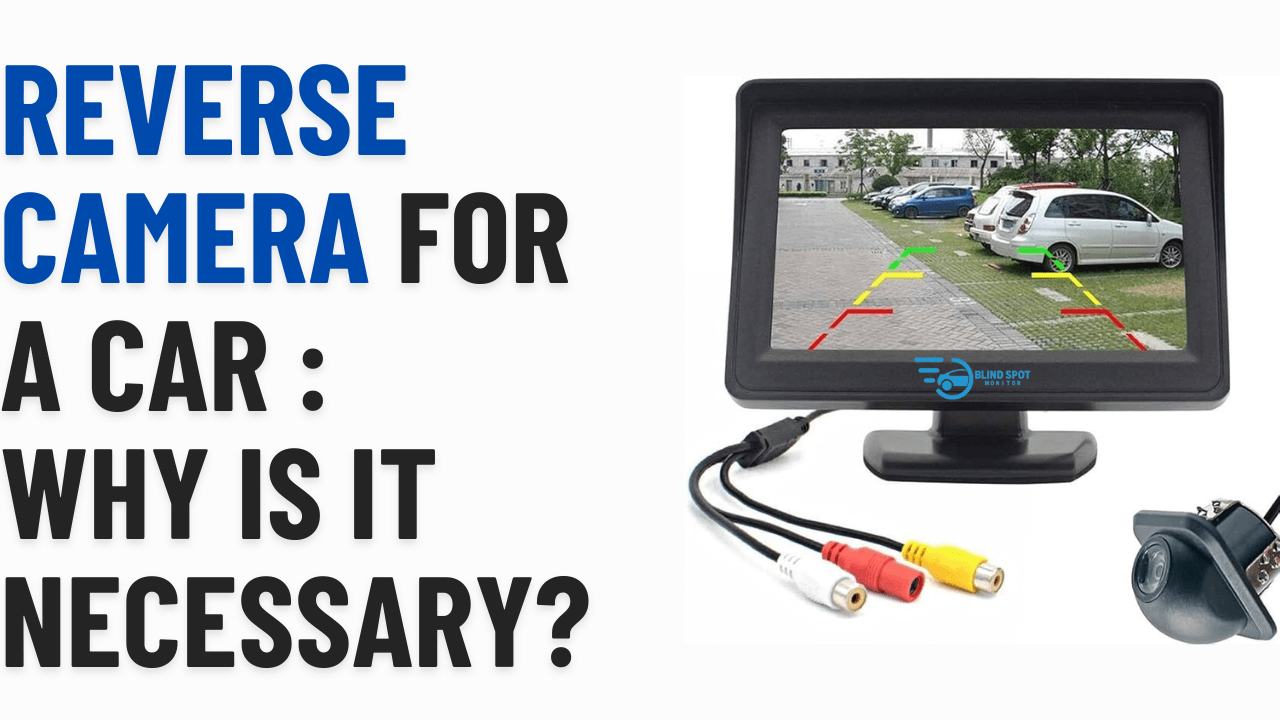
A reverse camera is an effective safety feature, especially for new drivers. It provides the immediate rear vision of a car. Usually, this view can be obstructed due to a car’s body and build. In most sedans and SUVs, the immediate rear can be a dangerous blind spot. Thus, it becomes essential to get a vision of that area before making a move.
You might know the reverse camera by its alternative name, the backup camera. In some factory-installed car trims, it also goes by the name of rearview camera. However, there’s a slight difference between traditional rearview and reverse cameras.
A reversing camera usually only works when your car is in parking mode. It activates automatically and provides immediate rear vision. Alternatively, most rearview cameras remain active throughout your driving journey. They offer real-time vision after activation and continue working until the car turns off or you deactivate the system manually.

Now, let’s look at how the reversing camera works.
1. Cameras & Their Framework
Most reverse parking cameras activate automatically when the car switches to parking mode. They use sensors to track the car’s conditions. In contrast, some models may require manual activation. Either way, the camera plays a key role in the entire system.
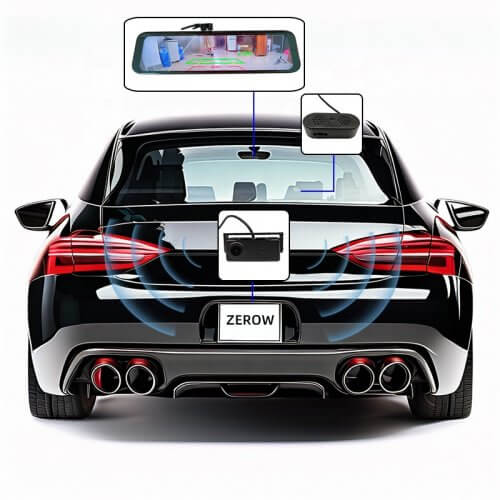
Depending on the system’s specifications, the camera sits above the license plate or rear bumper. Its position makes it effective in providing the immediate rear view of your car.
Though the camera technology can vary from model to model, some features are consistent. This includes night vision, wide-angle view, anti-glare, and thermal lenses. These features ensure the driver gets a clear and unobstructed vision of their car’s rear area.
2. Real-time Monitoring
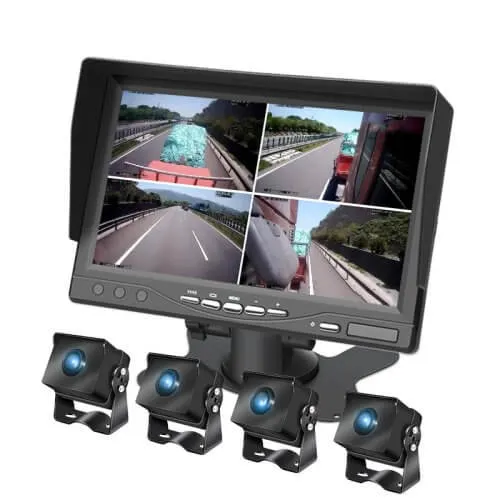
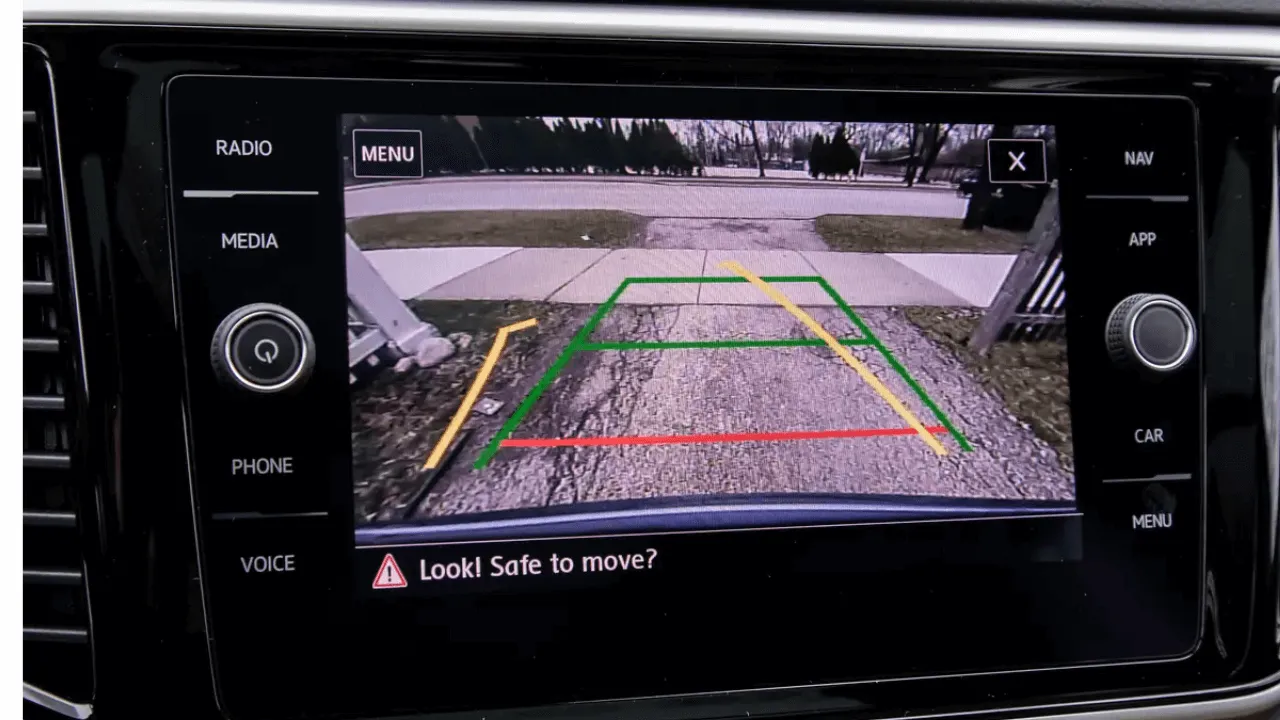
The system is incomplete without an output unit. Typically, it is a screen through which you can monitor the footage in real time. The screen placement can differ. In factory-installed systems, the reverse parking camera feeds live output in the car’s infotainment system. You can access it by navigating the car’s built-in safety feature.
However, that’s not the case with most aftermarket reversing cameras. They come with a separate screen usually mounted on the dashboard. Either way, the display unit provides real-time monitoring of what your camera captures.
3. Additional Camera & Screen Functions
Almost every backup camera offers some additional screen and camera functions. The extent of these features can vary. For instance, you can see the grid lines for parking assistance in many reverse cameras.
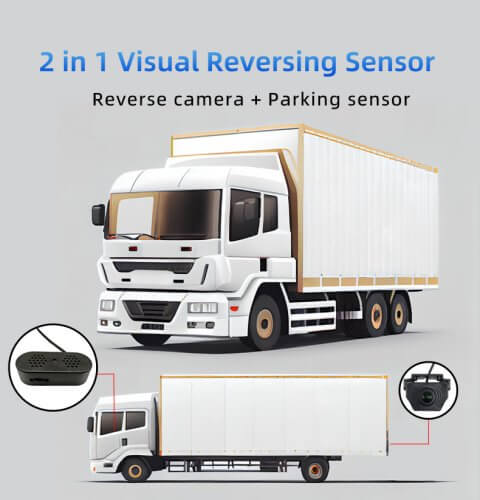
Similarly, advanced reversing systems offer features like distance detection. It uses an additional radar or microwave sensor to detect nearby obstacles and parked vehicles. The crux of these secondary features is to make parking even easier, regardless of the driver’s experience.
4 Reasons You Need a Reverse Camera in 2024
The urban parking spaces have become more crowded than ever. Hence, the challenge of parking and reversing is significantly increased. But that’s not the only reason to buy a reverse camera. Let’s see why you need this safety feature:

1. Easier & Safer Parking
Have you seen the small dents and scratches in many cars? Generally, they occur when a car is parking or reversing from a tight spot. A driver has to carefully navigate through obstacles like poles, pillars, lights, etc. Additionally, other parked vehicles make it all the more challenging. Even with extreme care, the car can collide, leading to minor damages.
However, a backup camera can make this task easier. It provides real-time and wide-angle vision of your surroundings. So, when parking or reversing, you can always double-check on the screen. It shows the objects that are otherwise practically invisible from the driver’s seat. Simply, it prevents the dents and scratches from your car, saving you from extra costs.
2. Better Blind Spot Management
SUVs and many sedans have a rear blind spot problem, and traditional rear-view mirror fails to solve this issue. This blind spot causes a major threat when reversing or parking your car. Since you do not get the complete vision, it is possible to crash with something.
Consider installing a reversing camera if the rear blind spot exists in your car. It offers better management of this danger zone by providing real-time vision. So, you can make more informed decisions and avoid collisions.
3. Become a Pro at Reversing
Reversing is considered an extremely challenging part of driving. Here are some reasons why:
- Limited vision
- Inverted steering
- Increased blind spot threat
- Lack of spatial awareness
- Tight parking spots
A driver can overcome some of them, like getting better at inverted steering and identifying spaces. However, other problems occur because of the car and surroundings. That is why a reversing camera is a smart investment. It helps you understand different reversing aspects, making you better at reversing and parking.
4. Integration with Other ADAS
A reverse camera undoubtedly solves most of your reversing and parking problems. But, it is an all-in-one safety feature. In fact, it doesn’t assist with driving issues, like blind spot detection, collision warning, etc. However, it leaves room for other features that can solve these problems.
So, you can easily integrate your factory-installed or aftermarket backup camera with other advanced driving assistance systems. It pairs well with rear-cross traffic alerts, blind spot monitors, and parking sensors.
Types Of Reverse Cameras
You will find various reverse cameras in the market. Their classification can be based on different factors. Let’s look at the three main classifications to provide a clearer picture:
Classification by Availability
Generally, you get two types of reversing cameras. The first one is OEM (Original Equipment Manufacturer), which comes pre-installed in cars. These are the factory-installed reverse cameras by well-known automobile manufacturers, including Toyota, Honda, Kia, Ford, Nissan, and Chevrolet.
The second reversing cameras are aftermarket ones. These are available for retrofitting in your car. Aftermarket systems usually come in universal models, making them easy to integrate into every car regardless of its brand and release year. So, if your car is an older model and doesn’t have a pre-installed reverse camera, you can always get one retrofitted.
Classification by Connectivity
In the late 2010s, the market was heavily dominated by wired driving assistant systems. That’s because wireless connectivity was not as popular at that time. Even today, many reliable reverse parking systems use wired connectivity. However, you will need technical expertise to install a system with so many cables and extensions.
In contrast, most modern reverse cameras come with wireless connectivity. While it is not as reliable, it still provides a mostly uninterrupted view. Also, it is easier to install, requiring minimal to no technical experience.
Wireless connectivity itself can be classified into different types. Commonly, you have options like Bluetooth or WiFi connection options. Many advanced cameras come with a mobile application. You can then synchronize the system to your mobile phone, requiring no additional connectivity hassles.
Classification by Features
Additional features can make the overall reversing camera experience better. They expand upon the primary functions of the system. Generally, you can find some basic functions in reverse parking kits, like parking grid lines, object detection, auto-brightness adjustment, etc.
Surprisingly, reversing cameras have also upgraded their game. You can find advanced systems with many robust features. The prime example is a parking kit using a sensor and buzzer to alert the driver about an object. Other advanced functions include camera rotation, automatic braking, and pedestrian monitors.
Combine these extra features with another advanced driving assistant system, and you have the complete safety package in your car.
Conclusion
Undoubtedly, a reverse camera is an excellent addition to your car. Good thing! Most new cars, sedans, and SUVs come with this safety feature. But even if you have an older model, there’s nothing to worry about. Consider choosing an aftermarket model and customize it accordingly.
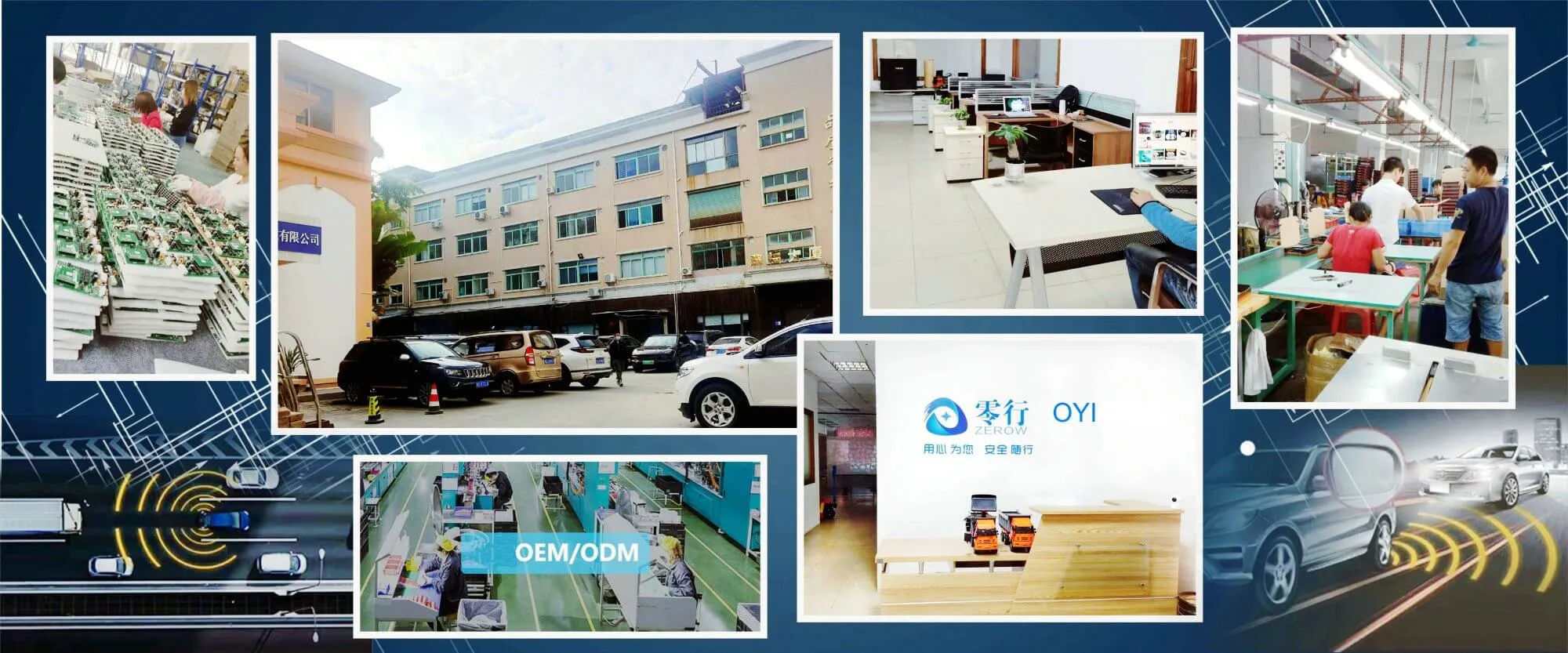
When choosing an aftermarket reversing camera, carefully select the right manufacturer. Pick a seller with testimonials and affordable prices. You can find both these factors in OYI Electronic. Maintaining a success rate of 98%, we offer our high-quality reverse parking cameras at factory prices with custom packaging. So, what are you waiting for?
Related Products: