
PIT (Powered Industrial Trucks) includes many vehicles like forklifts, mining cars, tractors, etc. While these trucks vary drastically, they have a few similarities. For instance, they are all used for heavy-duty, industrial applications. Additionally, they are all difficult to control due to their lack of surrounding awareness and large size, leading to devastating workplace accidents. But what if there was a way to solve this problem?
Using an anti collision system for PIT trucks, you can make your workplace significantly safer. The best part? These systems are readily available in the market today. The large variety of personalized solutions makes the choice easy for non-technical drivers. Let’s look at the best anti collision systems and buying considerations to provide a clearer picture.
5 Key Factors to Choose the Best Anti Collision System for PIT Trucks
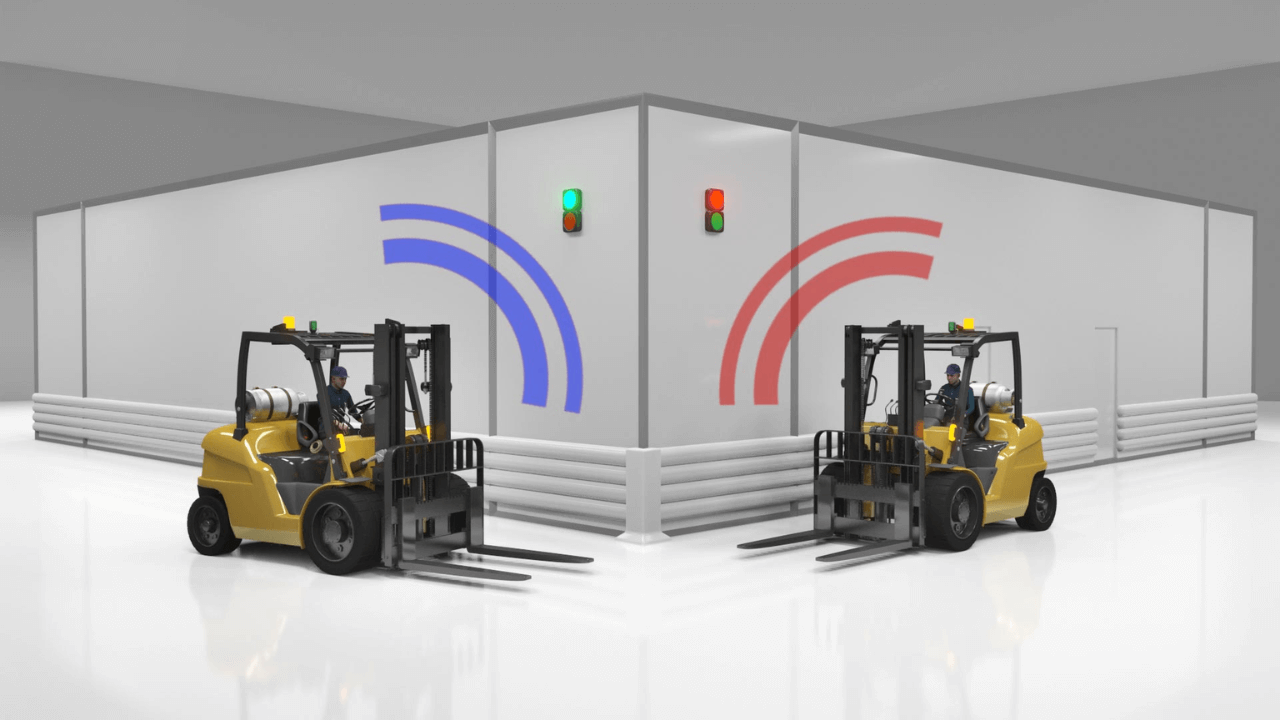
Remember every PIT truck has different weak points. Some might lack the tools to increase the driver’s vision, while others have a gigantic size, making them difficult to navigate. So, here’s what you need to consider when choosing the right solution:
1. The Prevalent Problem
Another essential aspect is to identify the predominant problem. Does your truck require more eyes or will sensors do the trick? You can find the root issue by figuring out your truck’s weak points.
For example, forklifts don’t pair well with a 4-cam or 4-sensor system due to their smaller size. Similarly, installing only 2 cameras on a mining car would only eliminate 2 blind spots, leaving 2 behind.
2. Workplace Rules & Requirements
Some industrial operations may require your PIT truck to have a camera for recording purposes. Likewise, many other operational requirements include using a sensor to protect workers’ privacy. Make sure to choose a solution that works effectively and complies with the regulations.
3. Working Mechanism
Are you inexperienced with driver assistant systems? Consider choosing an automated solution like blind spot detection or collision warning system. These devices work automatically, requiring minimal human input. Alternatively, more manual devices like a blind spot mirror can be overwhelming for non-technical drivers.
4. Type of Environment
Camera systems work best for indoor working environments. In contrast, sensors are ideal for outdoor areas as they don’t get affected by the weather conditions and outdoor elements. Consider your working environment to make the right decision.
5. Vehicle’s Compatibility
It is important to understand your PIT truck’s specifications and compatibility. For instance, some older vehicles might only be compatible with selected safety systems. Also, the latest anti collision system models might not work best with very old PIT trucks.
What is the Best Anti Collision System for PIT Truck?

Picking the right anti collision system for PIT truck can be challenging since the market is flooded with tons of options. But there’s no need to worry. We have handpicked the best options with their pros and cons to help you narrow your search. Let’s begin:
1. Forward Collision Warning
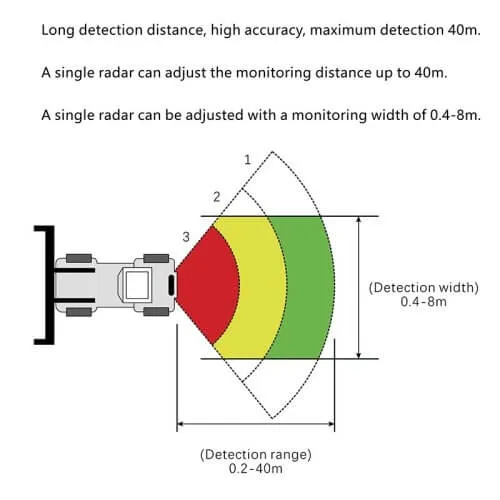
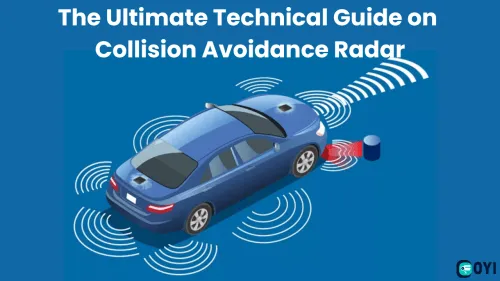
A forward collision warning system, or FCW, prevents head-on crashes. It uses a microwave sensor placed on the truck’s front bumper. The sensor has a limited range to detect oncoming vehicles, objects, and people.
If someone or something enters the sensor’s proximity, it triggers an alert to notify the driver. Usually, this alarm can be flashing lights or a buzzer, depending on your system’s specifications.
An FCW is more effective for large vehicles like a mining car or tractor. The driver cabin is higher in these trucks, making it nearly impossible to view small vehicles or pedestrians immediately in the front.
Pros
- Easy to understand
- Efficient against head-on collisions
- Customizable alert mechanism
Cons
- Solves the problem only partially
2. Camera Systems
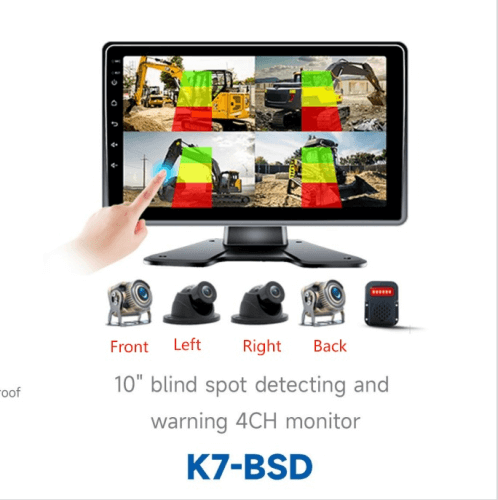
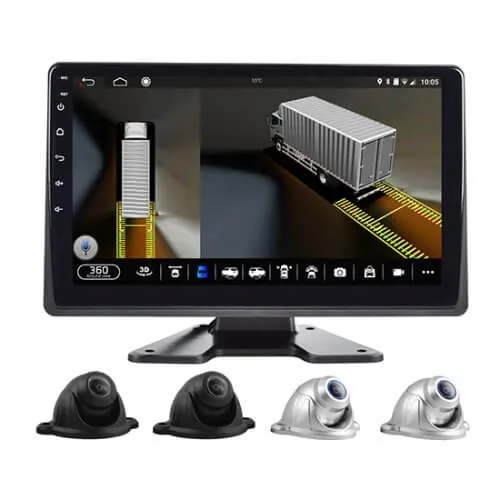
Camera systems of any type are quite effective against collisions. They provide real-time vision of the surroundings, enabling the driver to make well-versed decisions. Additionally, most of these camera systems have wide-angle lenses to cover large areas. If placed properly, they can eliminate the PIT truck’s blind spots.
Almost every camera system has some automated functions, like brightness adjustment, night vision, etc. They help drivers navigate all types of workplaces more safely and efficiently. Generally, 360° or 4-channel camera systems are preferred due to their increased functionality. They can cover all four sides of a PIT truck, increasing the driver’s vision.
Pros
- Live output stream for monitoring
- Minimal components
- Room for integration with sensors
Cons
- Comparatively pricey
3. Blind Spot Monitoring System
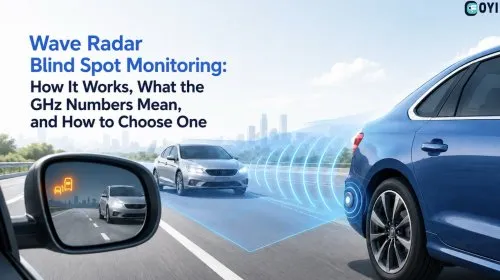
A blind spot monitor or BSM is one of the most effective anti collision systems for large vehicles like PIT trucks. It uses multiple sensors placed strategically around the truck. These sensors cover their respective angles and provide real-time monitoring.
When a vehicle enters your blind spots, the sensors immediately send an alert to the driver via LED lights, a buzzer, or both. Some systems even use seat vibrations to notify the driver.
Blind spot monitors work effectively for vehicles of all sizes. Hence, they can be used as mining cars, tractors, or forklift collision avoidance. Also, their aftermarket models are open to customization. You can decide the number of sensors and alert mechanisms according to your needs and vehicle’s compatibility.
Pros
- Requires minimal human input
- Suits beginners and experienced folks alike
- Cost-effective in the long run
Cons
- Wired BSM models have complex installation
4. Pedestrian Detection System
A pedestrian detection system (PDS) is highly recommended for large vehicles working around workers. It can detect people in its proximity using microwave or radar sensors. Some PDS models use cameras to provide real-time vision instead of alerts.
Let’s say you work in a warehouse and operate your forklift regularly. You might face challenges working around warehouse workers. Even a minor collision can cause damage to workers’ lives and nearby resources. Hence, a PDS can significantly improve working efficiency in different sectors by preventing interruptions, delays, crashes, and damage.
Pros
- Promotes a safer work environment
- Complies with safety regulations in most sectors
Cons
- Insufficient on its own.
Honourable Mentions
Haven’t found the right solution for your needs? Here are some more tractor, truck, mining car, and forklift safety systems you should know:
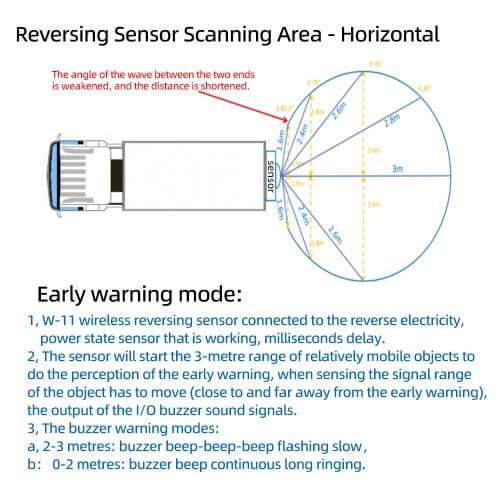
- Proximity Sensors: These work similarly to a blind spot monitor. However, this system uses a single sensor with an individual alert mechanism rather than a connected model like in BSM. That means you install multiple independent proximity sensors on your vehicle to cover various blind spots. These sensors only notify the driver if a vehicle enters a critical range to avoid collisions.
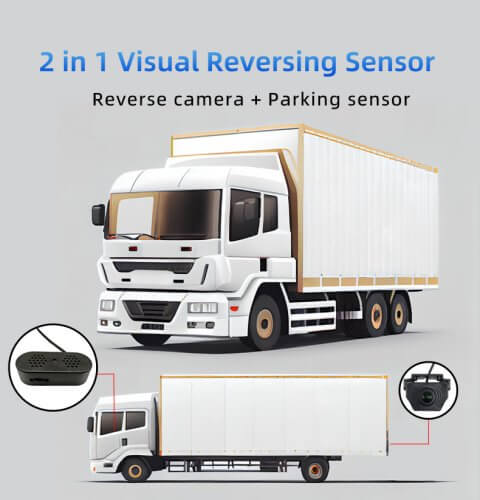
- Backup Camera: A backup camera can be helpful for large vehicles like a mining car or tractor. The rear blind spot is a massive problem in these vehicles, preventing a view of anything immediately behind. The backup camera activates when your vehicle is in parking/reversing mode and provides real-time vision on a screen to increase surrounding awareness.
- Speed Governors: A speed limiter or a governor works best for new drivers. It is common in forklifts but also works in other PIT trucks. The system automatically adjusts the vehicle’s speed based on the environment. It considers various environmental factors, like the area and pedestrian traffic to set the right speed.
- Driver Monitoring Systems: A DMS is useful for folks supervising PIT truck drivers. It helps them construct a pattern of the driver’s behavior and gestures. The DMS uses smart algorithms to monitor a driver’s responsiveness, mental state, etc. If a driver is drowsy or downright unresponsive, the system triggers an alert to make them attentive.
What to Know Before Buying an Anti Collision System for PIT Truck?
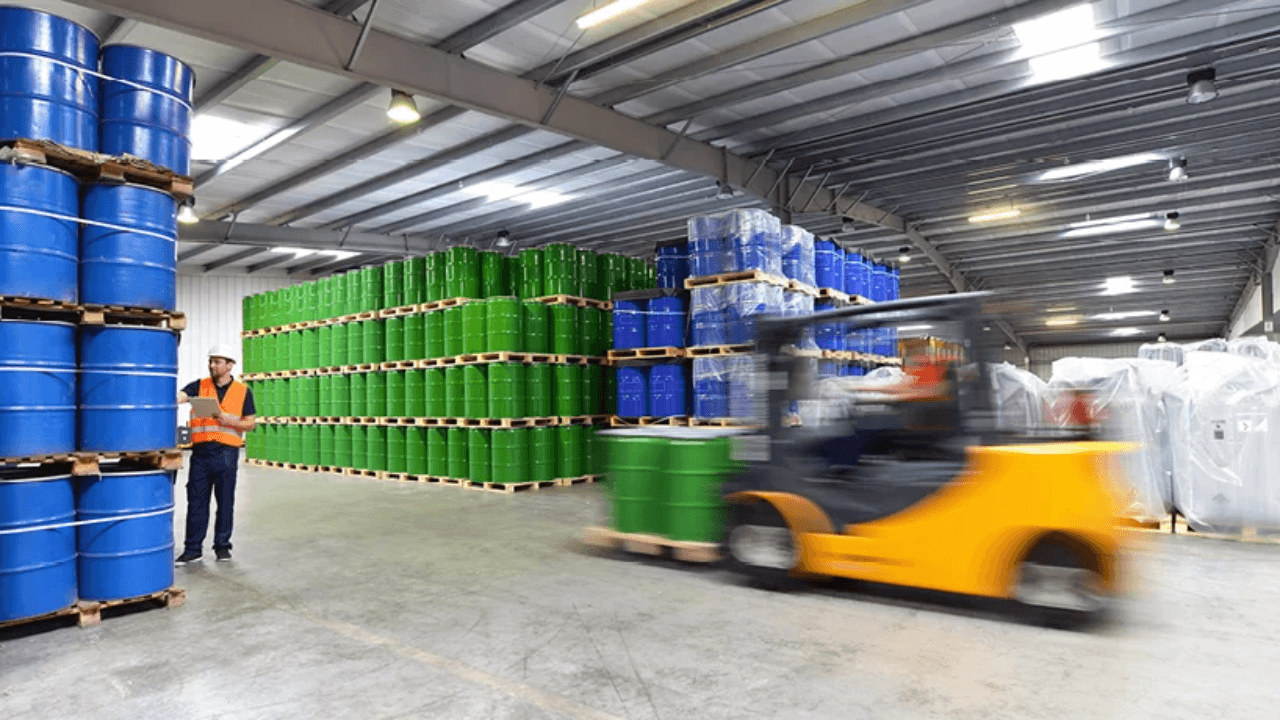
Buying an anti collision system for PIT truck is an excellent idea. But here are a few things you need to know beforehand:
1. The Budget
Every device mentioned in this list has a different price range. It is important to review your budget before researching the right pick. Camera-based systems are comparatively more expensive than sensors.
Also, a modern anti collision system for pit truck price would be significantly higher. If you don’t need such advanced features, consider going for an old-school functional model.
2. Installation Method
As you may have guessed, the installation methods also vary across these devices. However, most systems come with wireless models today. If you are technically inept, consider going for wireless models. Do you have technical experience and prefer DIY installation? Then, you can go for old-fashioned wired models. Either way, both types come with instruction manuals to follow for installation.
3. Reputable Manufacturer
The aftermarket industry is snowballed with many not-so-great manufacturers. If you want to pick a reliable one, consider reviewing their testimonials, customer reviews, etc. Don’t have the time to do so? You can always buy from OYI Electronic for their well-tested models, 98% success rate, factory prices, and customized packaging.
Conclusion
Ready to start your safer journey with an anti collision system for PIT trucks? Remember that choosing the right system is equally important. Start by listing down your requirements and budget. Then, review the systems that solve your particular problem and comply with your organization’s working standards. This way, you can get the best outcome within your limited budget.
Don’t know where to buy from? OYI Electronic has you covered. We have a wide range of driving assistance and anti collision systems for all kinds of vehicles, ranging from commercial to PIT trucks. The best part? We cut down our intermediary costs by offering our systems at factory prices. Contact us for a free price quote on your required anti collision system!
Related Products: