
Did you know the aftermarket car industry is expected to reach USD 2042.58 Billion in 2025? This would be a whopping 6.2% increase from last year. The automotive industry, especially the aftermarket sector, has grown significantly over the previous decade. Many countries, like the USA and Japan, have set up manufacturing and assembling facilities to increase automotive production.
Since the market is snowballed, it can confuse many inexperienced folks when choosing the right aftermarket car safety devices. Generally, there’s no rule of thumb here. Each device offers something unique and solves a different problem. So, let’s look at some of the best options to help you choose the right one!
What are Aftermarket Car Safety Devices & How Do You Install Them?
An aftermarket car safety device is a safety feature or advanced driving assistant system (ADAS). These tools make driving easier by solving problems like blocked vision, parking hassles, sudden lane departures, impact collisions, etc.
The word “aftermarket” means that these devices are readily available, unlike OEM tools that come pre-installed in vehicle releases. An aftermarket tool can be retrofitted in any vehicle regardless of its model, brand, make, etc.
Also, aftermarket devices for cars and other vehicles are customizable. You can pair or personalize them with other devices according to your ride.
How to Install Aftermarket Car Safety Devices?
There’s no straightforward answer, as all aftermarket car safety devices have different installation methods. For example, a camera system would require you to place its lenses strategically around the vehicle. However, this method wouldn’t work with a sensor-based system that only requires setting up sensors at specific spots.
But there’s no need to worry. Automotive experts available locally or online can help you install, maintain, and repair aftermarket auto safety equipment. Plus, most reliable manufacturers, like OYI Electronic, provide product manuals with their aftermarket systems. You can easily install them by following simple steps, even with minimal technical experience.
The 5 Best Aftermarket Car Safety Devices in 2025
It’s safe to say that all aftermarket car safety features are useful in their framework. But here are our 5 best ones to help you in your selection process.
1. Blind Spot Monitoring System
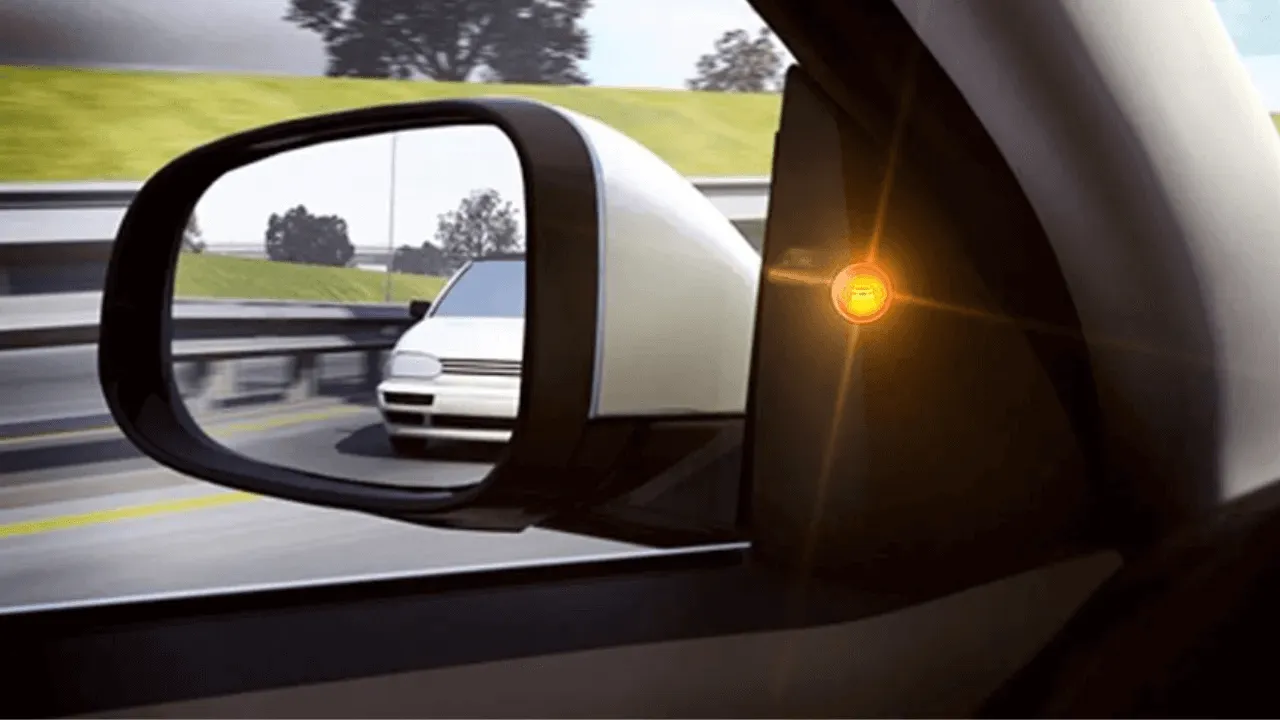
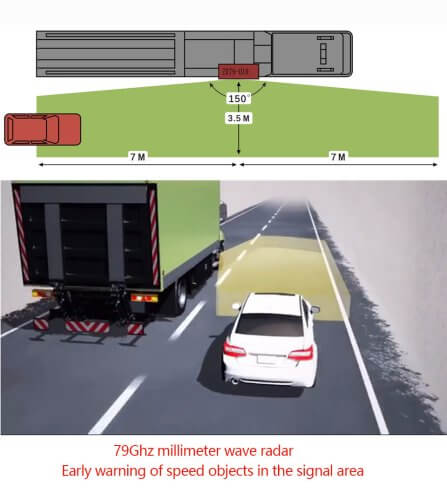
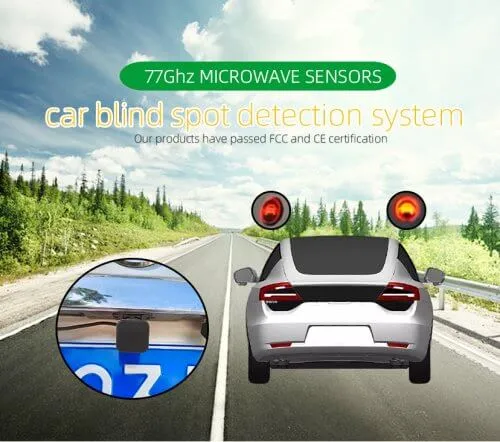
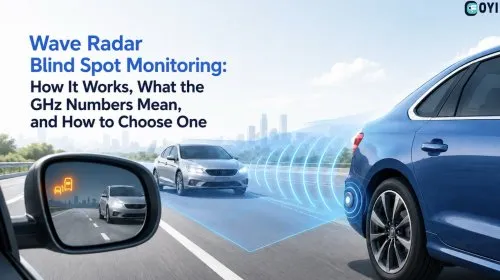
A blind spot monitor, or BSM, provides real-time alerts when a vehicle enters your car’s blind spots. What are these blind spots? The areas you can not view from the rear-view or side-view mirrors, no matter how well they are positioned. And that doesn’t mean something is wrong with your car because all vehicles have these danger zones.
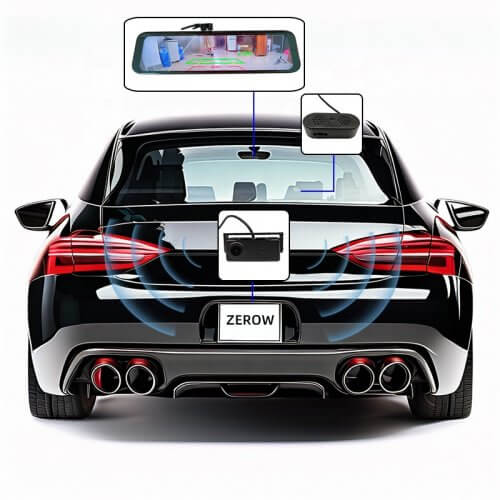
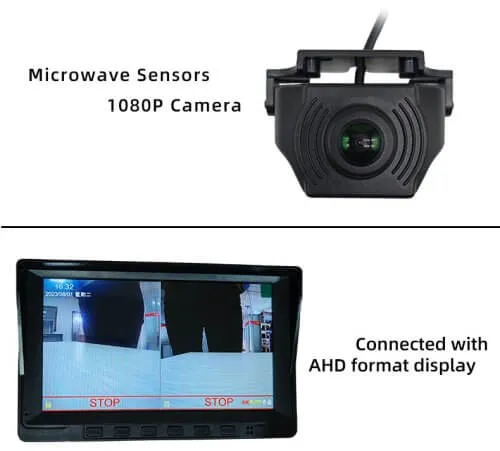
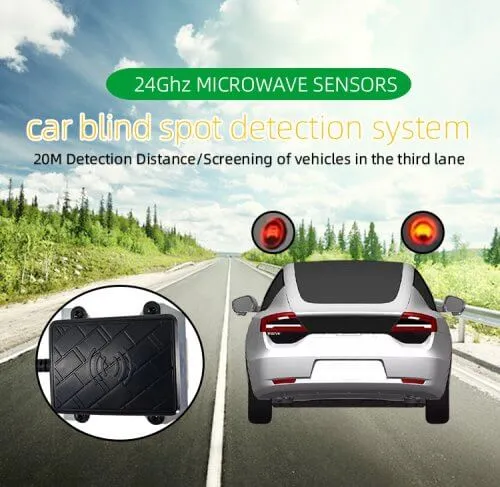
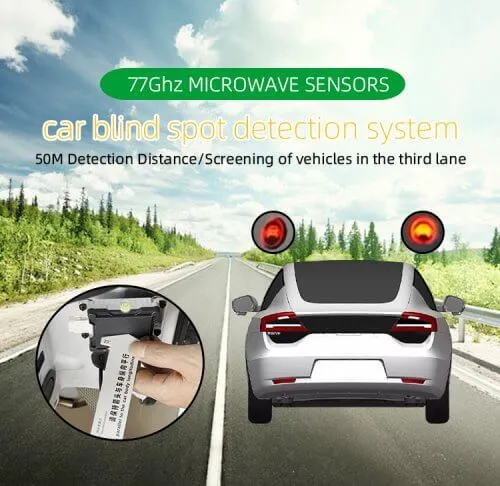
The BSM uses one or multiple sensors to detect nearby vehicles. While these systems have a limited range of up to 10 feet, they are accurate. Plus, they are integrated with LED lights or speakers to provide real-time audible and visual alerts.
Generally, these sensor-based systems emit radar waves or microwaves that bounce back after hitting a vehicle in your blind spots. The system also uses smart algorithms to monitor the distance and speed of the oncoming vehicle. Based on its readings, it triggers an alert to notify the driver.
Pros
- Solves the much-needed blind spot problem
- Offers accurate alerts thanks to the sensors
- Easy to install, maintain, and use
- Available with audible, visual, and vibrational alert mechanisms
Cons
- False alarms can sometimes trigger, causing distraction.
2. 360° Car Camera System
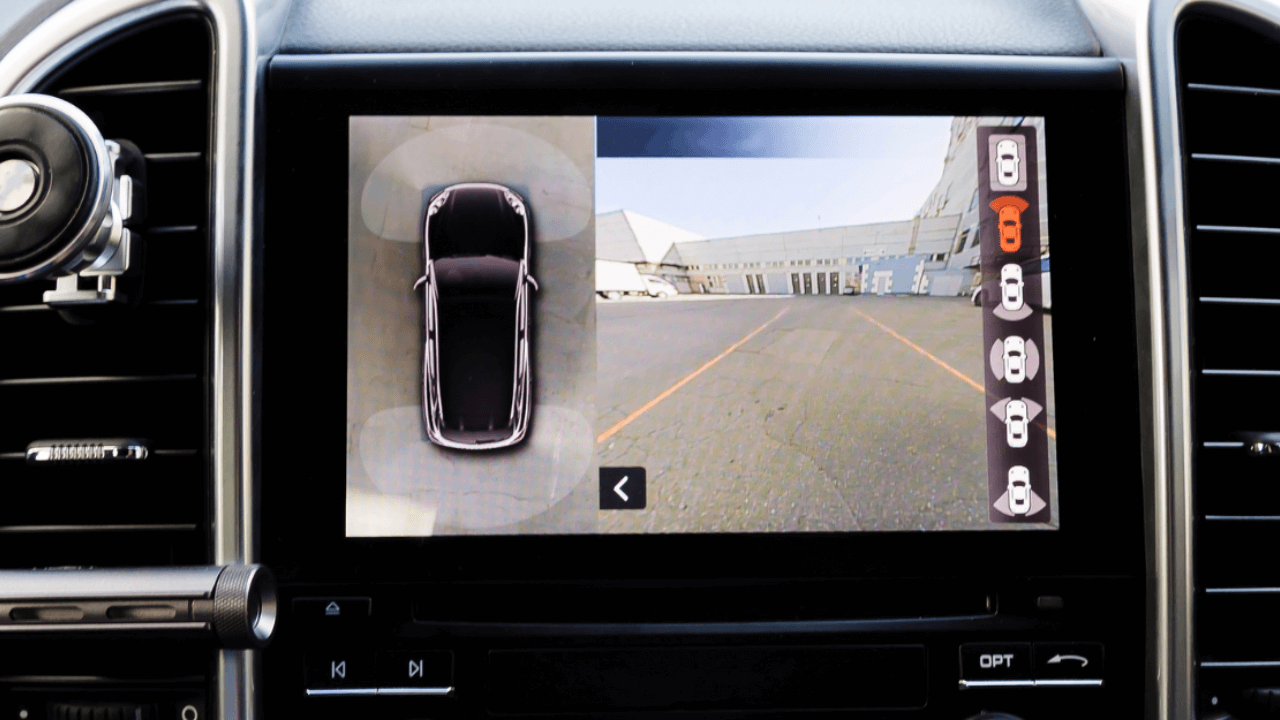
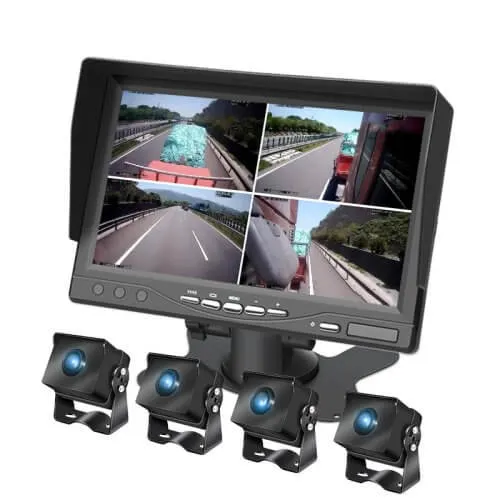
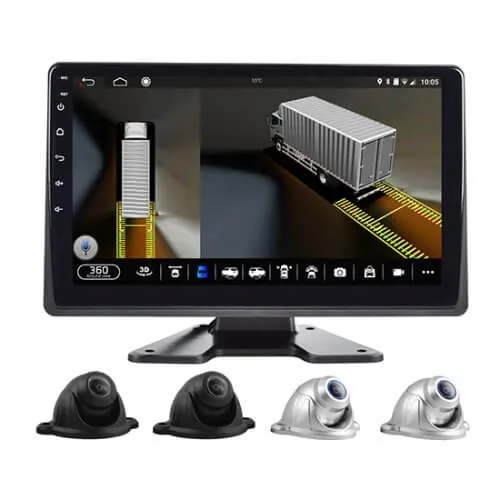
The 360° car camera system provides extra pairs of eyes on the road. It uses up to 4 cameras placed strategically around the car. So, you can capture what’s happening in your four blind spots in real time.
The 360° camera system for cars comes with a screen. It is mounted on the dashboard, allowing the driver to monitor the live footage streaming from the cameras. In some models, the screen replaces the car’s rear-view mirror. You can also get a split-screen video mode to track all four videos simultaneously.
The 360° car cameras come in two primary types: wired and wireless. Wired models have video cables and require connecting all lenses to the screen. Alternatively, a wireless model uses Bluetooth or WiFi to link all components.
Pros
- Real-time video footage to eliminate blind spots
- Universal model for all-car compatibility
- Widely available in the market
- Cost-effective, especially in the long run
Cons
- DIY installation is not easy
3. Parking/Reversing Systems
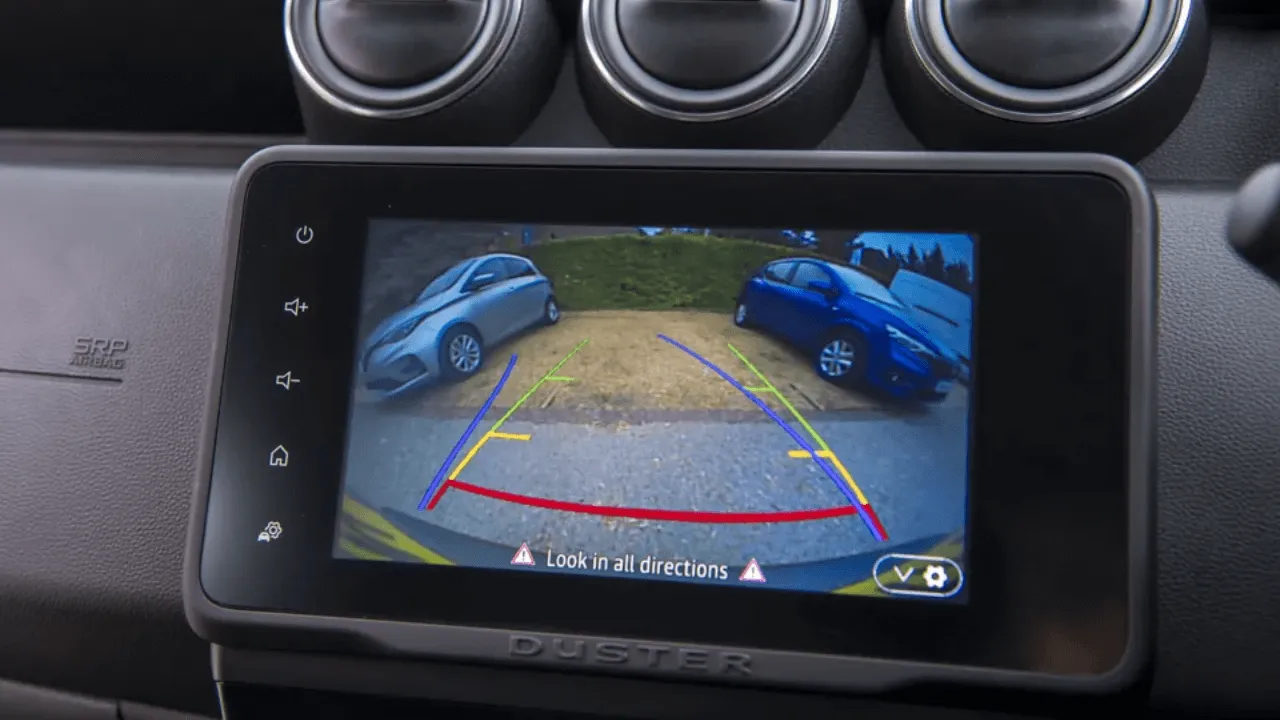
Parking and reversing are equally difficult tasks for every driver. The inverted steering makes it challenging, especially for inexperienced drivers. A parking system eliminates this problem by providing real-time feedback about your nearby objects.
There are generally two types of parking/reversing systems. The more common type is the backup camera. It uses a camera lens mounted above the car’s license plate to provide live footage when the vehicle is in parking/reverse mode. Most camera-based models also offer a visual guideline to park your car perfectly.
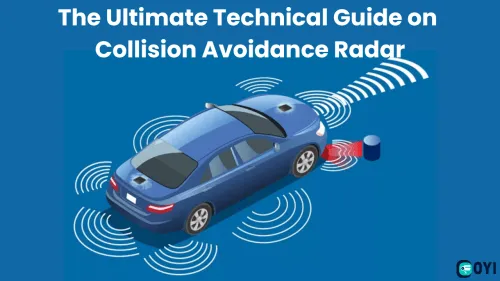
The second type is a sensor-based parking system. It offers alerts to prevent collisions when parking or reversing your car. The sensors use radar waves to detect nearby objects, including poles, parked vehicles, etc.
Pros
- Automatic activation with minimal human input
- Offers accurate and live videos or audible alerts
- Makes you better at parking and reversing
- Prevents minor collisions, usually common in reversing.
Cons
- Drivers can get over-reliant on these systems for parking
4. Lane Keep Assist
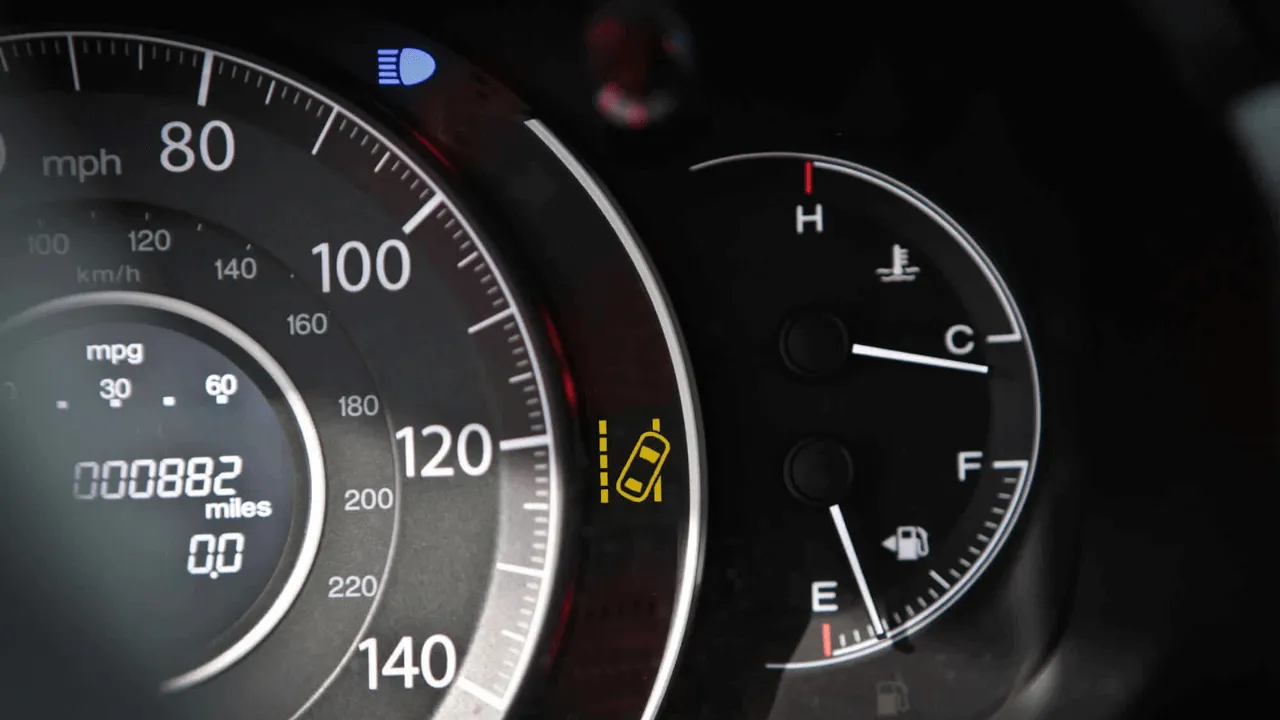
Lane keep assist, or LKA, makes drivers better at steering. It detects the road markings to ensure your car stays in its lane. The system also understands the vehicle’s position and only activates when you steer into a different lane without a turn signal.
Additionally, modern LKA systems offer various automation. They automatically steer the car back into its suggested lane. Alternatively, traditional systems only trigger audible alarms to notify the driver.
Many LKA variations are available in the market, including the Lane Departure Warning (LDW) and Lane Change Assist (LCA). The common element between these variations is that they help drivers maintain their position on the lane.
Pros
- Good for new drivers who lack steering control
- Easy installation with minimal components
- Multiple variations to suit different drivers
- Keeps driver attentive on the driving lane
Cons
- Not effective on poorly marked roads
5. Dash Camera

While aftermarket vehicle safety systems are all the rage, dash cameras have maintained their popularity. These simple yet effective devices record the driver’s journey using a camera.
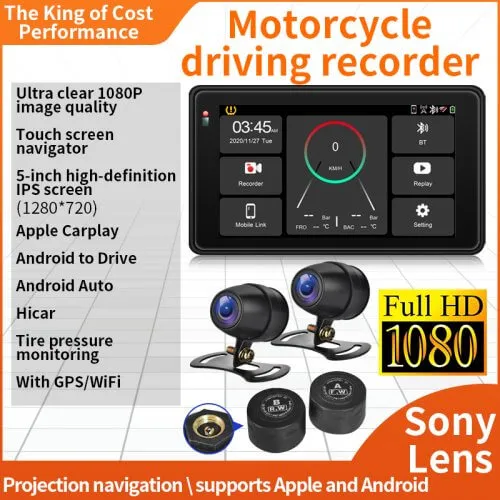
Dash cameras use storage devices to keep the recorded footage intact. Newer models also use multiple cameras to record different points of view. You can also find driver-facing dash cams, which are usually popular in professions like ride-sharing and logistics.
The dash camera has 720p, 1080p, and even 2K video quality, recording crystal-clear videos with minor details, like the license plate number. The high-resolution recorded footage can serve as video evidence against accident disputes and legal proceedings.
Pros
- Recommended for professional drivers
- Video evidence to avoid false insurance claims
- Simple installation due to fewer components
- Affordable than the other aftermarket car safety devices
Cons
- A bit outdated compared to other ADAS
How to Choose the Best Aftermarket Car Safety Devices?
Having problems choosing the right safety device for your car? Worry not; here are all the factors you must consider to make the right decision.
- Problem Area: Identifying your problem area is the first step to choosing the right safety feature. Do you have trouble parking, managing blind spots, staying in the lane, or covering all sides simultaneously? Pick the device that suits your specific problem
- Your Budget: Remember, these safety features vary drastically in price. For example, a 360° camera system is the most expensive option from this list, whereas a dash cam might be the most affordable. Therefore, reviewing your budget is a good idea.
- Installation & Maintenance: If you are inexperienced and want to save on extra costs, consider choosing a system with easy installation. Similarly, selecting devices with less frequent maintenance can save additional costs.
- Ease of Use: Some devices, like the 360° camera system, can be overwhelming for a new driver. Opt for tools that meet your driving expertise and experience.
- Trusted Manufacturer: Regardless of your chosen device, always prioritize a reputable aftermarket manufacturer, like OYI Electronic. They can provide aftersales support, installation guidance, and supportive warranties to help you make the most of your safety device.
Conclusion
Ready to improve your driving with the right aftermarket car safety devices? Pick the system that fits your requirements and budget, install it in your car, use it for a few months, and notice the drastic difference in your driving. These devices can improve your core driving abilities, like decision-making, response time, etc.
Still unsure which device to choose? Well, let OYI Electronic handle this problem for you. Contact us today, and let us assist you in selecting the device that’s perfect for you and your car. We have many driving assistance systems, including dash cams, blind-spot monitors, car cameras, parking sensors, and more. Get a free price quote for your favorite device today!
Related Products: