
The fleet management industry is at an all-time high. It showcases a CAGR (Compound Annual Growth Rate) of 19.8%. While the growth is going up, the number of accidents is also catching up. The US alone has reported a 46% increase in fatal large truck crashes in just one year. Therefore, fleet companies are not exactly safe.
However, you can increase your safety with a safe fleet system. The market is full of different solutions, each solving a specific problem. So, let’s go through some of the most popular options to find the best one in this detailed guide!
What Is a Safe Fleet System and How Does It Help?
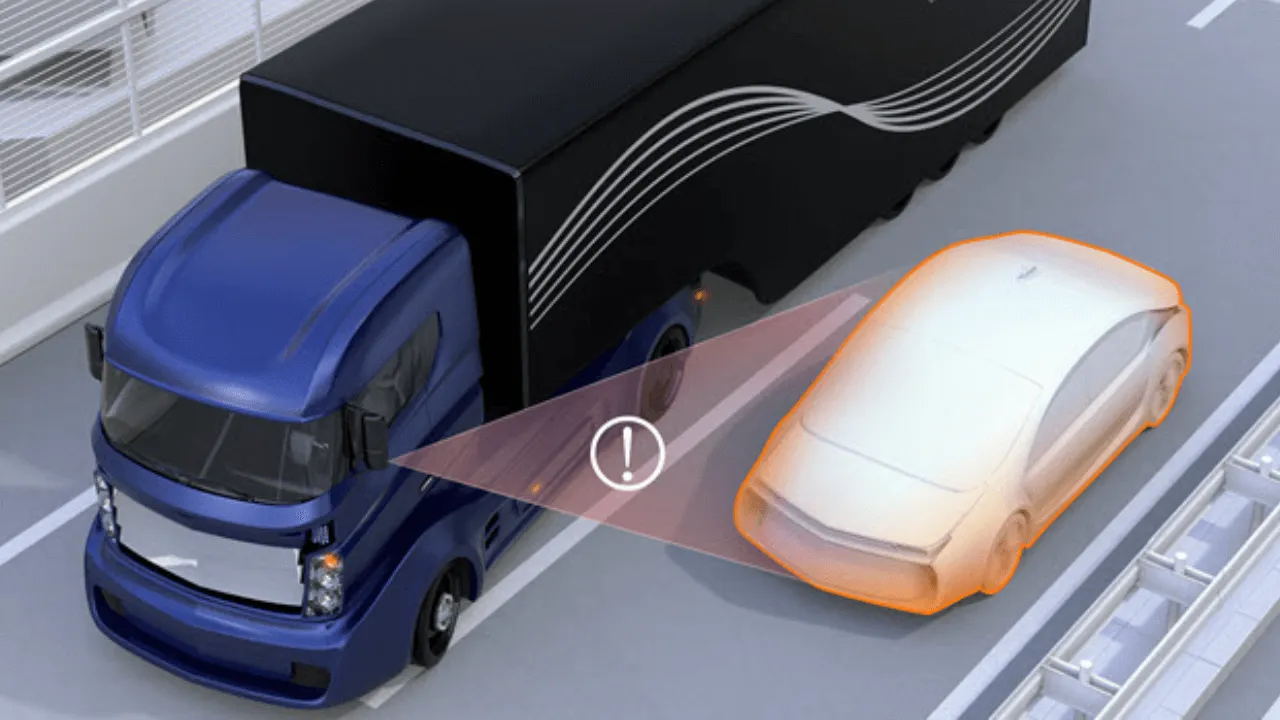
A safe fleet system is a driving assistance system or a safety feature to help against accidents. It uses advanced technologies like sensors, cameras, buzzers, LED lights, and specialized mirrors to keep drivers updated on their surroundings.
Remember, a huge chunk of these accidents happen because of blind spots. Thus, safe fleet solutions provide real-time alerts or a vision of the vehicle’s blind spots. This way, drivers can keep track of their vicinity and avoid poor decisions that lead to crashes.
The best part? There are various fleet safety solutions available in the market. So, you can easily find one that fits your needs.
Types of Safe Fleet Systems
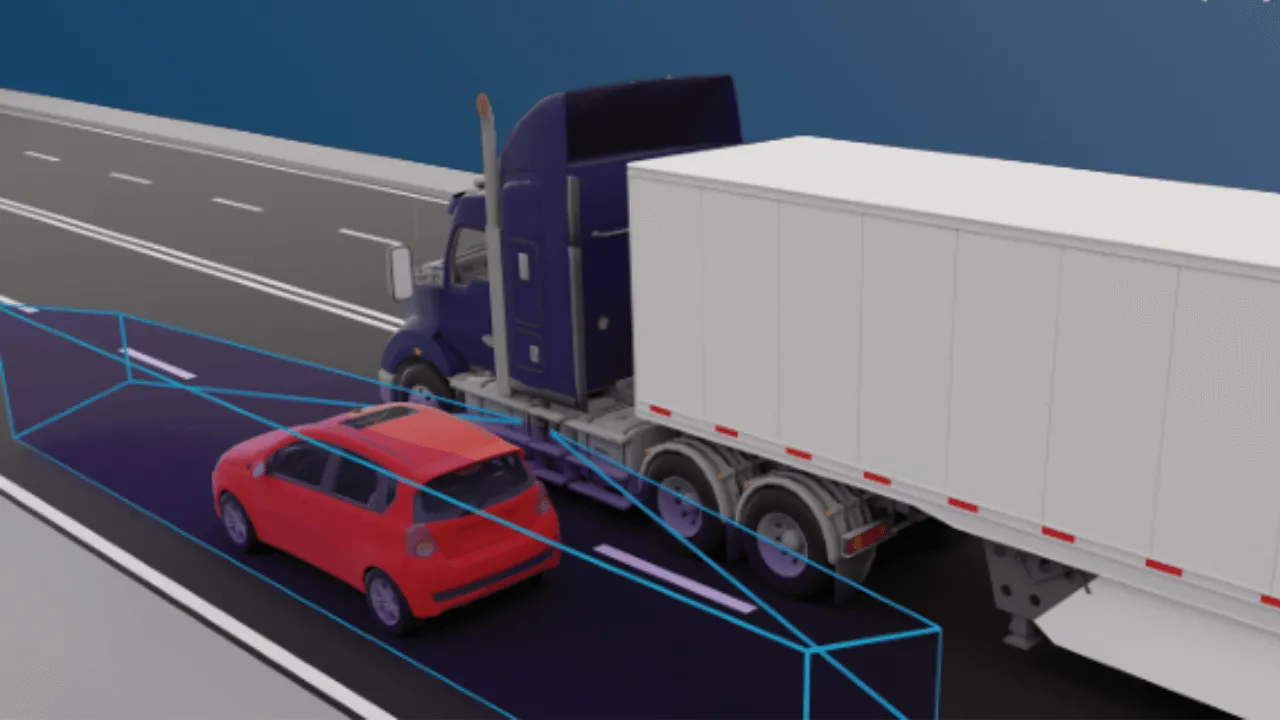
There are primarily three types of safe fleet systems. Let’s look at them in detail:
1. Sensor-based Safe Fleet Systems
Sensor-based systems have become increasingly common in today’s fleet industry, and for good reasons. Firstly, these systems are highly resistant to harsh weather conditions like rain, sleet, snow, etc. They consistently provide accurate readings regardless of the outdoor conditions.
Another reason is that these systems come with an alert mechanism. Generally, they trigger a warning if a vehicle is present in your blind spots. Now, that is beneficial for two main reasons.
For starters, an alert system means automation. The sensor-based solution handles the heavy lifting and only provides you with warnings when the situation gets too critical. Also, these sensor-based systems allow customizable alerts. So, you can choose visual lights, audible buzzer warnings, seat vibrations, or all of them as the alert mechanism.
2. Camera-based Safe Fleet Systems
A camera-based safe fleet system is also very useful in preventing collisions and injuries. These cameras use high-resolution and wide-angle lenses to cover all blind spots.
Camera-based systems use a display unit—a screen to stream their video capturing. The driver can monitor their surroundings from the screen and make informed decisions to avoid accidents.
Moreover, fleet safety solutions with cameras offer all the essential settings like brightness adjustment, night vision, exposure, anti-glare, etc. These features provide an added layer of functionality to the system.
3. Driver Supervision Fleet Systems
Many fleet companies have to work with hundreds of vehicles. Tracking every single driver and monitoring their driving can be a hassle. However, you can automate this process with a driver supervision system.
These solutions have a simple purpose: to monitor drivers’ behavior, driving habits, gestures, attention, and other important attributes. They improve accountability in the company and allow tracking of every driver’s performance. So, the higher-ups can make data-driven decisions about new recruitments, promotions, etc.
What Is the Best Safe Fleet System?

The Advanced Driving Assistant System (ADAS) market had reached $42.9 billion in 2024. It is estimated to grow with a CAGR of 17.8%. Today, you will find more advanced safety features than ever for your fleet company.
But which one is the best for you? Let’s discuss some of the most popular options and discuss their pros and cons to get a better understanding:
1. Forward Collision Avoidance System
FCA systems have become quite popular, especially in large vehicles. That’s because the immediate front has been one of the most under-reported blind spots. The large driver’s cabin height and the truck’s build make it almost impossible to see smaller vehicles that are directly ahead. And that leads to head-on collisions.
However, an FCA system solves this problem. It uses a combination of sensors and an alert system to keep the driver updated on what’s ahead. The FCA can detect stationary objects, pedestrians, and moving vehicles. So, the driver can avoid all kinds of accidents and drive safely.
That said, FCA systems only eliminate one blind spot. The other three still remain.
Pros
- Effective against head-on collisions.
- Detects all small and large vehicles.
- Has a decent area coverage.
Cons
- Not the best stand-alone ADAS
2. Dash Camera
A dash camera is one of the simplest safe fleet solutions. It has a straightforward working mechanism: record and store. The camera lens captures the video footage of the driving journey. Meanwhile, a storage unit like an SD card keeps the footage stored in the system.
This allows the drivers to view the footage later on another device. Generally, dash cams are used to document journeys in fleet management. It helps improve accountability and operational efficiency as it can identify the optimal routes to the destination.
However, a dash camera might not be useful against blind spots, lane changes, distracted driving, and other common problems.
Pros
- Most models offer flexible storage solutions.
- Easy to understand and use.
- Has a simple installation process.
Cons
- Does not make the fleet vehicle any safer.
3. Blind Spot Detection System
A BSD system is one of the most effective safety fleet solutions. It uses up to four sensors to monitor all four blind spots of a large vehicle. If it detects an object, pedestrian, or vehicle in these areas, it triggers an alert to notify the driver.
BSD systems use advanced microwave or ultrasonic sensors. They have a large area coverage, enough to fully monitor all four blind spots. Additionally, these systems use advanced algorithms to calculate a vehicle’s speed and distance. It allows blind spot monitors to trigger only accurate alerts and avoid false alarms that can confuse drivers.
Pros
- Accurate and effective in all weather conditions.
- Straightforward installation and minimal maintenance.
- Doesn’t require driver input to work.
- Customizable alert mechanisms.
Cons
- Newer, advanced models can be a bit costly.
4. Camera Surveillance System
A camera-based surveillance system is quite useful for large fleet vehicles. It can use up to four lenses that you can mount strategically at all blind spots of your vehicle. This system comes with a screen that typically sits on the dashboard.
You can track all four video outputs at once or individually. This real-time visibility provides increased awareness about your blind spots—enabling you to make better decisions.
Pros
- Helps prevent blind spot accidents.
- Can be integrated with sensors.
- Doesn’t need frequent maintenance.
Cons
- Requires attention on the screen, diverting eyes from the road.
5. Lane Keep Warning
Also known as a lane keep assist, an LKW system prevents lane change accidents. It keeps you centered on your lane using sensors that read road markings. The system prevents unintentional drifting from your designated area. This simple function keeps you safe from adjacent-lane and rear-end collisions.
There are many other variations of the lane keep warning systems, including lane change assist, lane centering assist, etc. Despite their different names and features, their primary purpose is to prevent lane-change accidents, which are quite common in large vehicles.
Pros
- Weather-resistant and waterproof sensors.
- Uses smart algorithms to trigger alerts.
- Provides real-time alerts to prevent accidents.
Cons
- May trigger false alarms sometimes.
6. Parking Assistance System
Fleet vehicles are usually large, which creates problems when you are parking or reversing. However, a parking assistance system can solve this problem. It comes in both sensor and camera variations. The system’s purpose is to provide alerts when your vehicle enters reverse mode.
It can detect vehicles, pedestrians, and objects in the rear blind spot to notify you. A camera-based system also provides guidelines on the screens that you can follow to park and reverse more efficiently.
Pros
- Solves the parking and reversing problems.
- Useful against rear-end collisions.
- Offers auto-activation.
Cons
- Only works when the vehicle is parking/reversing.
7. Driver Monitoring System
A DMS is one of the best driver supervision tools for fleet managers. It uses a combination of sensors and cameras to monitor driver behavior. The system tracks even small things like the driver’s eye movements and hand gestures to track their driving habits and create a pattern.
It also uses an alert mechanism to notify drivers if they get distracted or feel drowsy, which is common for fleet drivers working long hours.
Pros
- Improves driver accountability.
- Provides real-time monitoring.
Cons
- Comparatively expensive.
Conclusion – Which Safe Fleet System Should You Choose?
Consider going through your requirements and budget first. It can help you shortlist your options. For instance, let’s say you need a sensor-based system that is affordable. Then, a less advanced blind spot monitor can be quite useful. Similarly, you should identify the problem your fleet company faces the most, and choose the right system accordingly.
But the question remains: where to buy these safe fleet solutions? Well, look no further than OYI Electronic. We offer advanced, durable, and affordable systems with after-sales support and online guidance. Plus, all our products come with in-depth product manuals, so you can install the system yourself. Contact us now and get a free price quote!