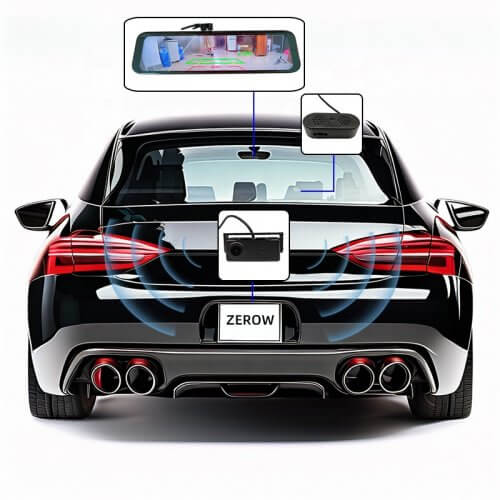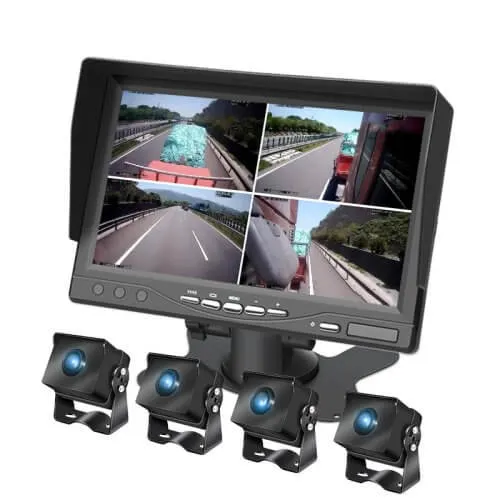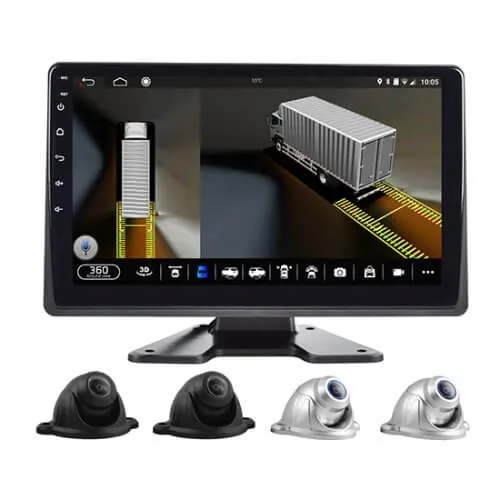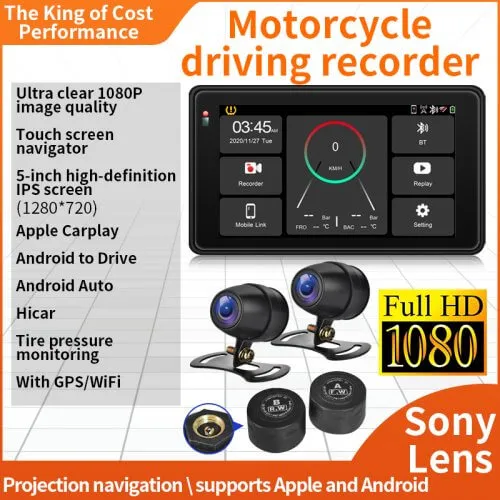
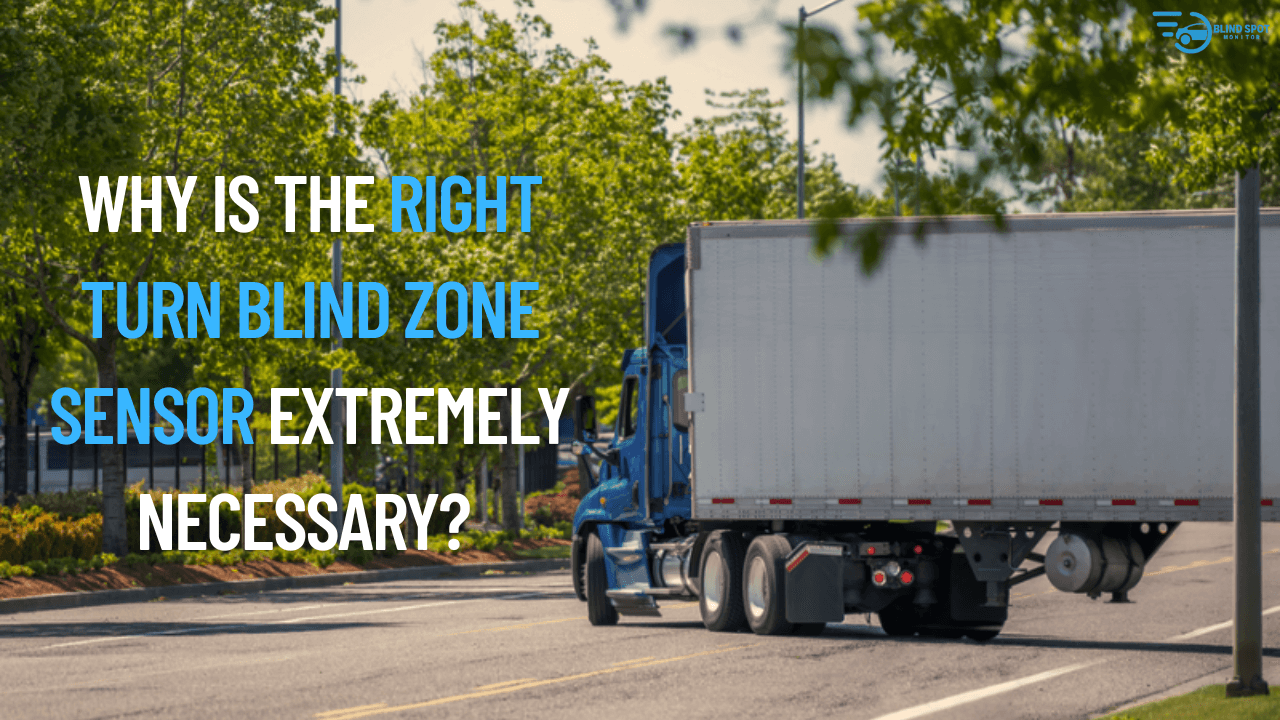
The right side of the vehicle is THE most dangerous blind spot in vehicles, commonly known as the danger zone. A study in 2022 concluded that 22% of all automobile deaths happen due to side impacts.
What’s worse is that nearly 8,000 people die in these side-collisions every year. This is especially a wake-up call for truck drivers, as their vehicles have even larger danger zones.
However, there’s no need to be scared because you can easily buy the right turn blind zone sensor today. The market is flooded with different devices solving this particular problem. Let’s look at different sensor-based solutions and their extreme importance in today’s traffic.
Why Do You Need a Right Turn Blind Zone Sensor?
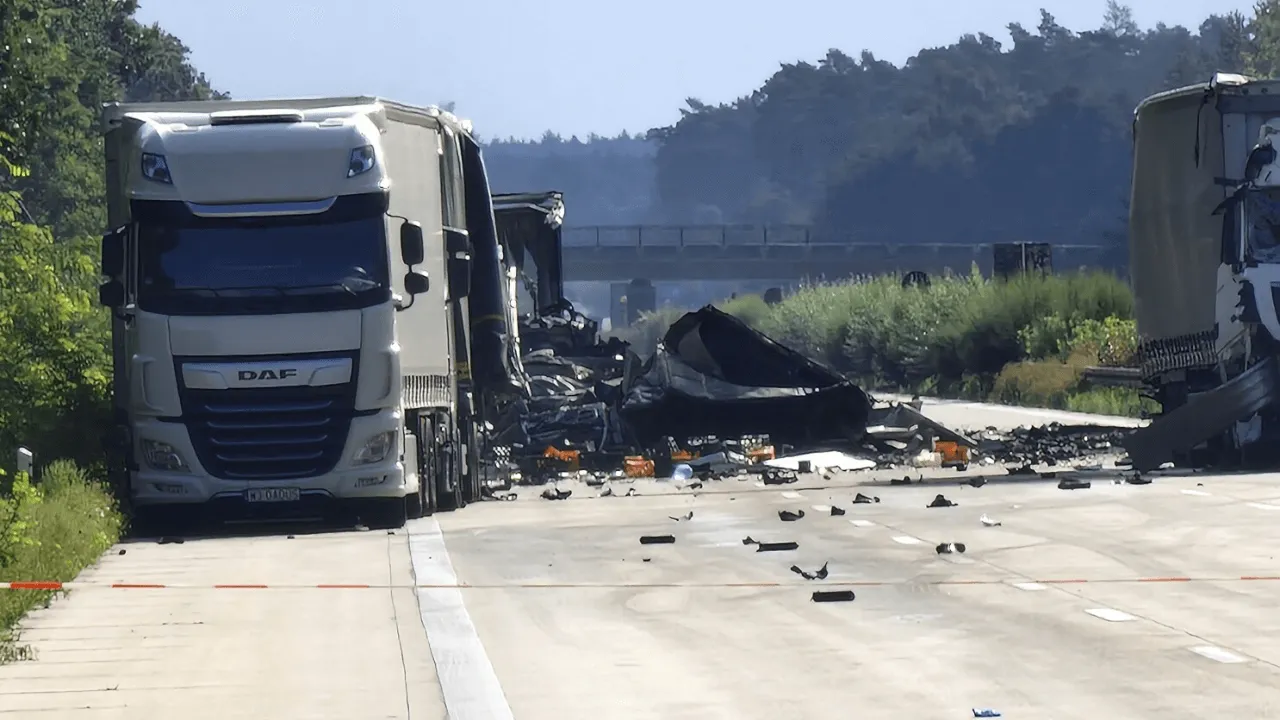
Here are a few reasons that explain the necessity of a right turn blind zone sensor:
1. The Inefficiency of Side-view Mirrors
The passenger’s side-view mirror is pretty far from the driver’s vision. Be it a car or truck, positioning and viewing from that mirror can be very challenging. Smaller vehicles can become practically invisible in obstructed vision, leading to collisions.
Even though you can position it or install specialized mirrors, the problem still exists. The driver needs a solution at an accessible distance, like an alarm mechanism paired with sensors.
2. The Blind Spot Problem
The passenger-side blind spot is notorious for causing problems for the driver. Since a driver doesn’t get a clear view, accidents are imminent. The worst part? This blind spot exists in every vehicle, including cars, buses, trucks, vans, etc.
Even specialized trucks, like forklifts and mining cars, are immune to it. However, a sensor-based solution can eliminate or minimize this blind spot, making it less threatening.
3. The Driver’s Cabin Height
Trucks have even more problems than cars, like the increased driver’s cabin height. Smaller cars, motorcycles, and pedestrians at the truck’s immediate right get hidden from the driver’s sight.
Hence, human errors are more likely to happen in this case. Using a sensor can keep you updated on your proximity, toning down the driver’s cabin height problem.
4. The Convenience of a Solution
Most sensor-based solutions to eliminate your truck’s right blind zone are easy to use. They also have a straightforward installation method, requiring minimal to zero professional assistance. What makes these solutions even more convenient is their current accessibility.
Today, the market is full of various blind spot solutions. You can easily find and purchase them online or locally. Since they are widely available, their pricing has also become budget-friendly. So, there’s no reason not to buy these sensors.
5. The Increasing Traffic & Accidents
Over 3,778 side collisions of cars and SUVs were reported in a year. Even worse, the US surveyed 5,078 fatalities and 86,842 injuries in truck accidents. These numbers are getting more alarming every year due to the spike in traffic.
Side impacts have been reported to cause serious injuries and even fatalities. Hence, it is better to have a solution that protects you from these accidents. While the driver’s side can be easily managed, the right blind zone remains a problem. Only a modern solution like sensors can fix this issue and keep your sides safe.
6. The Safety Compliance Problem
Remember, every organization has different safety regulations. Using a right blind spot solution can make your vehicle compliant with your regional and organizational safety standards.
However, most companies and areas prohibit using camera-based devices due to privacy concerns. That gives the sensors an upper hand as they don’t record or violate other such laws.
What is the Best Right Turn Blind Zone Sensor Solution?
Various right turn blind zone sensor solutions are available in the market. However, it is unfair to compare them. Let us tell you the required features so you can choose the right one.
Blind Spot Monitoring System

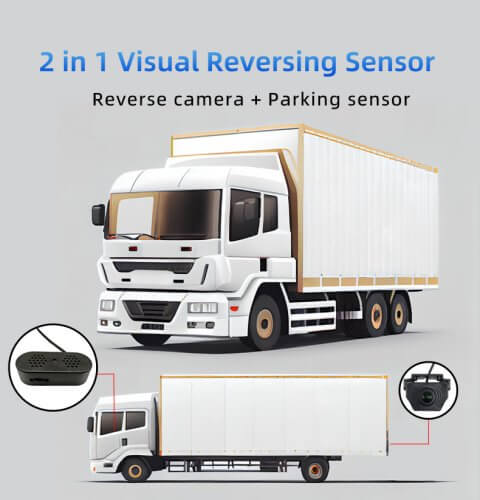
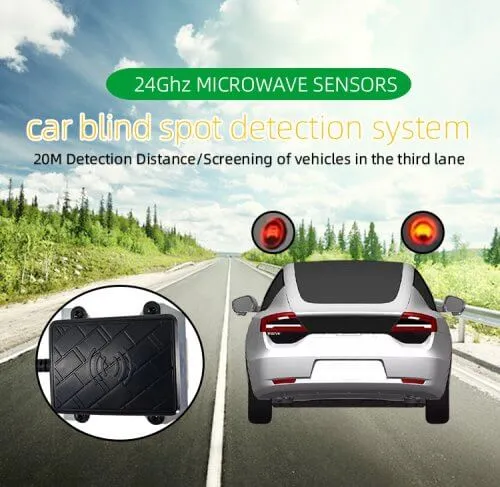
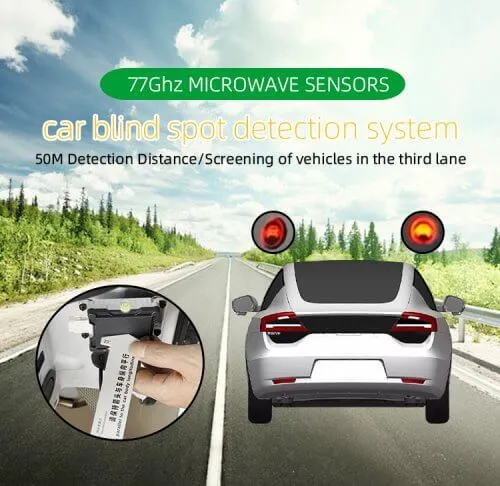
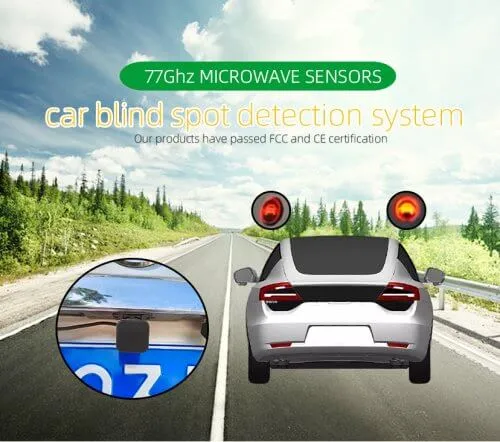
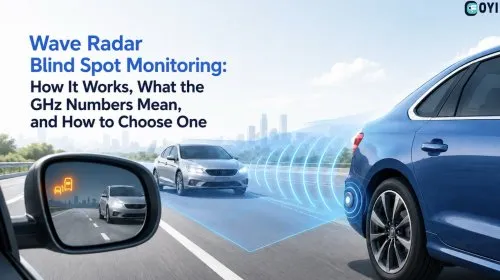
A blind spot monitor is one of the most efficient sensor-based solutions for trucks and cars. It comes with an alert mechanism (LED lights or buzzers) to notify the driver of oncoming vehicles in their danger zones.
The best part is the BSM’s active monitoring and minimal driver input. It is an autonomous system that keeps you updated on your surroundings. Also, it usually comes with two or four sensors. So, you can cover all blind spots of your vehicle, including the right side.
The BSM integrates well with other driver assistant systems, making it a MUST-have, especially for trucks and large specialized vehicles.
Lane Change Assist

The right-side blind spot becomes a massive problem during lane changes. A lane change assist (LCA) uses sensors, cameras, or a combination of both to monitor your vehicle’s sides. It ensures no casualties exist during your lane change.
The lane change problem is exponentially bigger in trucks and large vehicles like forklifts, mining cars, and buses. Thus, the LCA effectively prevents side impacts and collisions that could otherwise prove fatal. Also, modern LCA systems have integrated features, like automated brakes and GPS navigation, making it an all-in-one solution.
Proximity Detection System

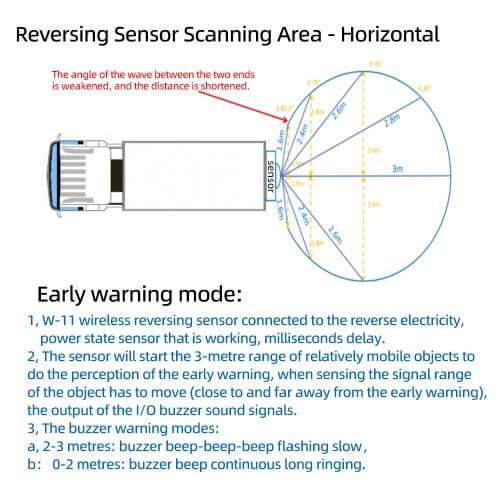
A proximity detection system (PDS) works similarly to a blind spot sensor. However, it comes as a stand-alone system rather than a combination of sensors. That means you can integrate multiple independent PDS on your vehicle. Alternatively, you can only install one sensor to eliminate the right blind spot.
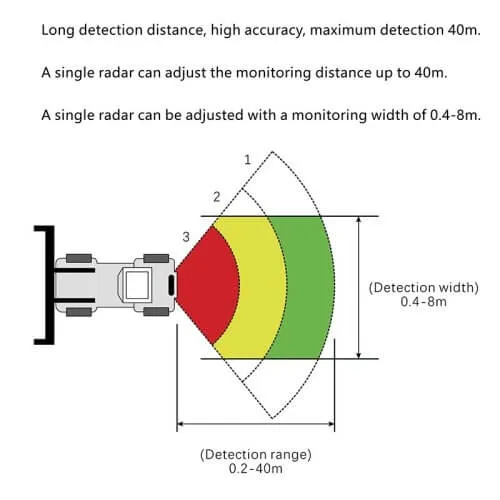
Also known as a distance detection system, it uses a blind zone sensor with advanced algorithms. It calculates an oncoming vehicle’s speed and distance from you. If it’s critical, it triggers alerts, like flashing LED lights or audible cues. So, you can make better decisions and avoid side impacts.
What Makes a Right Turn Blind Zone Sensor Better Than Cameras?

Cameras can be highly useful for cars and trucks to minimize blind spots. However, sensors can have an edge over cameras in some situations. Let us explain:
1. Weather Resistance
Many cameras, especially older models, are not 100% weather-resistant. Their waterproof rating is slightly lower, making them vulnerable to extreme weather conditions like rain, fog, etc. That is why you get errors like the side blind zone Alert not working since the cameras become non-functional.
However, sensors are significantly more weather-proof than cameras. They resist extreme weather and remain functional regardless of the conditions. Almost every sensor today has a waterproof rating of IP67 or higher, keeping it safe and functional in rain, snow, and fog.
2. Less Attention Required
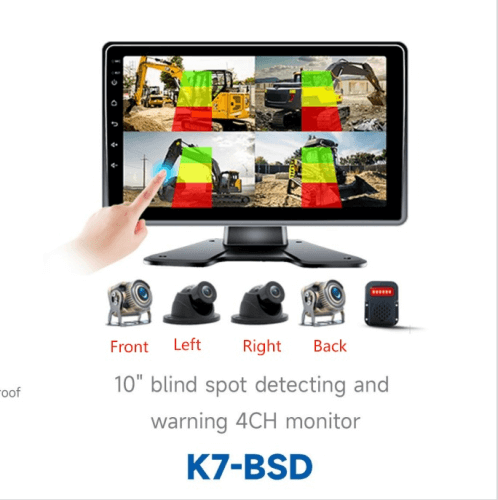
Cameras require constant attention from the driver. Most camera-based models don’t come with alert systems. Instead, they have a display unit; a screen. The driver has to monitor the screen manually to stay updated on their surroundings.
It may not be a problem for experienced drivers, but newbies can find it very challenging. The constant need for monitoring almost becomes a stress. In contrast, sensors don’t divide your attention. They handle the monitoring part and only send you alerts, prompting you to take action.
3. Effective Against Outdoor Elements
Do you need a right turn blind zone solution for a rough workspace like a mining terrain? Unfortunately, cameras might not be the ideal pick for this situation. Their lens can get obstructed by outdoor elements, like dirt, dust, and debris. The blocked vision makes it almost impossible to view nearby objects. Also, the regular maintenance becomes a problem in the long run.
Sensors work effectively in outdoor environments as they don’t have a lens-like component. They can resist dirt, debris, moisture, and other elements and remain operational in all kinds of rough workplaces. Plus, they don’t require frequent cleaning and maintenance.
4. Operational With and Without Proper Lighting
Yes, most modern cameras come with features like auto exposure and night vision. Their lenses can adapt to the environmental lighting. However, you can’t say the same to all camera-based models, especially older ones. They require proper lighting to capture clear footage, making them suitable only for indoor workplaces like warehouses.
On the other hand, sensors don’t have any lighting requirements. They can monitor just as good during the night as in the day. It makes them ideal for both indoor and outdoor workplaces.
Conclusion
The passenger-side blind spot is definitely a problem that requires an immediate solution. Luckily, you can find many devices that fix this specific issue. While camera-based devices are also effective, we recommend a right turn blind zone sensor, especially for new drivers.
Remember, the bigger your vehicle, the more dangerous this blind spot is. Thus, having a solution has become a necessity to drive safely in today’s traffic conditions, while the rate of accidents is high.
Having trouble finding the right solution for your passenger-side blind spot? There’s no need to worry. OYI Electronic offers blind spot monitors, lane change assist, proximity detection systems, and many other sensor-based devices.
The best part? We have solutions for cars, trucks, specialized vehicles, and motorcycles. So, contact us today and get a free price quote for your required system and model!
Related Products: