A trucker’s biggest challenge with driving is the lack of vision. The vehicle has more blind spots than a sedan or SUV. On top of that, these blind spots are 10 times more dangerous than any other vehicle. Moreover, during parking and reversing, the driver has minimal vision. Over time, most drivers have switched to reversing cameras as preventive measures.
The worst part about a truck accident is its impact. It affects the trucker as well as all the nearby parties. Hence, it is important to use a safety feature, like a reversing camera for trucks. But, how does it work? Let’s find out!
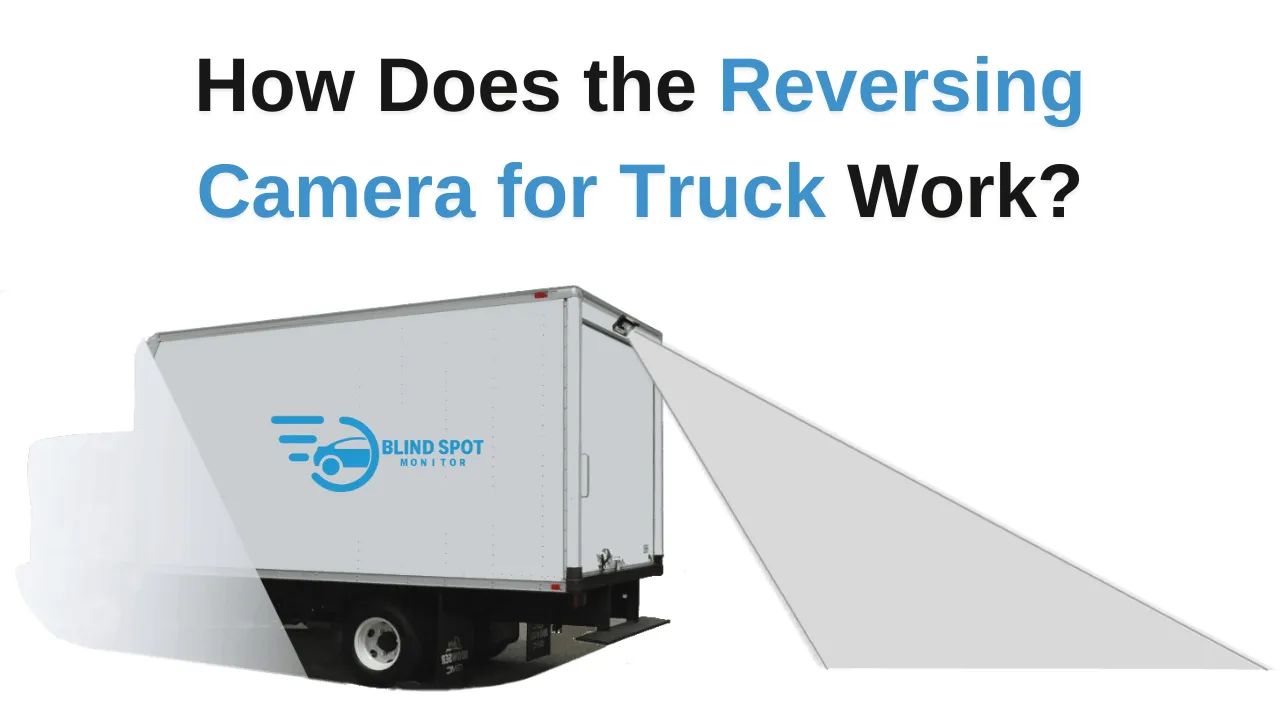
Components and Their Workings in a Reversing Camera for Truck
It is important to know its components to understand the framework of backup camera for truck and trailer. Let’s take a deep dive into each component and how it works.
1. Camera
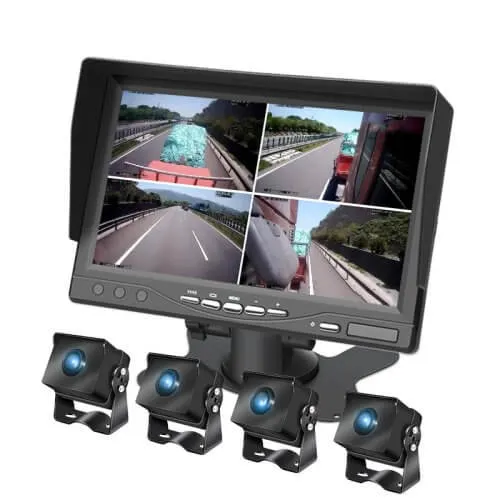
The camera is the most obvious and heavy-lifting component in the system. It is responsible for capturing live footage of the rear area. When your truck is in parking mode, this camera automatically activates. It shows real-time footage with its lens and image-processing algorithms.
The most common cameras in the market provide 720p or 1080p video quality. However, some go beyond with a 2K or 4K resolution. Either way, you get a crystal clear view that helps you navigate tight parking areas with your truck.
But what if the parking areas have minimal to no lighting? Well, these cameras use infrared LED lights built into their lenses. This design feature allows adjusting the camera brightness according to the environmental lighting.
Another technical detail is the camera’s IP67 or IP65 waterproof rating. It ensures that the camera continues working in all weather conditions. Additionally, it allows the lens to resist water splashes, moisture, fog, and other such problems.
2. Screen
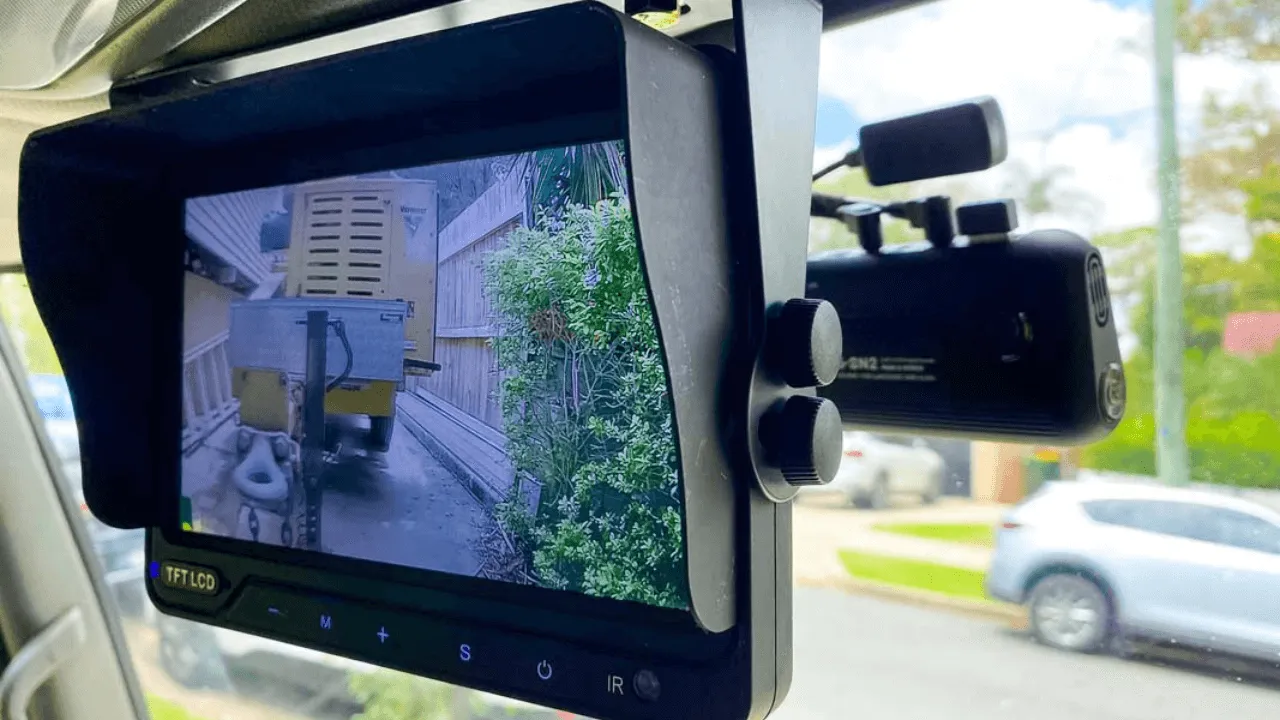
The display unit is another essential component in the wired or wireless reversing camera for truck. It serves as the output unit that showcases the input provided by the camera. The screen’s specifications can differ according to the system.
Usually, it is a small display unit ranging from 5 to 10 inches. Its mounting position is on the truck’s dashboard. The screen technology also plays an important part. Some display units are LCD, while others use TFT technology.
Most systems allow configuring the camera and functional settings. For that, advanced models use the screen as the primary unit. You can navigate easily via a touchscreen or a remote controller.
3. Control Box
The control box or control unit is the core of the reversing camera system. It serves as the processing module between the camera and the screen. That means it takes image-processing signals from the camera and directs them towards the display unit.
The specifications and working of the control box can vary depending on the system’s connectivity. Wired reversing cameras use cables to connect all components and the power source to the control module.
Alternatively, a wireless reversing camera system for trucks uses radio frequency. The camera communicates with the screen by transmitting RF.
Working Mechanism Of the Reversing Camera for Truck
Let’s go through the step-by-step working mechanism of the reversing camera for truck. It will help you understand how the components work collaboratively.

Step 1: System Activation
A truck reversing camera, wired or wireless, connects to the vehicle’s power source. When the truck’s reverse light turns on, the system activates automatically. It saves the driver from manual activation, which can be inconvenient.
So, how does this automatic activation work? The truck’s reverse light sends a signal to the control box. It triggers the activation of the camera and screen, turning the system on instantly.
Step 2: Camera Video Transmission
When the system activates, the next step is video transmission. The camera captures the area and sends video signals to the screen in real time. However, the method of video transmission can vary in a wired and wireless reversing camera for truck.
For example, the wireless system uses radio frequency as its transmitter. That can be anywhere between 2.4 GHz and 5.8 GHz. In contrast, the wired system uses a video cable to transmit signals to the screen.
Step 3: Driver’s Turn
When the system is fully activated and all the components are working, the driver can use it. The trucker has to keep their eyes on the screen. They can carefully navigate parking spots and avoid nearby obstacles. The screen may also offer instructions, like distance markers and guidelines to help you with easier parking and reversing.
Buying Considerations for Reversing Camera for Truck
Are you planning to buy a reversing camera for truck? Here’s everything you need to consider:
1. Shockproof Cameras
Usually, professional truckers have to drive on all kinds of roads. Some of them can be rough enough to disrupt the camera position. That happens when the system uses an ordinary mounting bracket for its camera.
Consider choosing a system with shockproof cameras. These mounting brackets can resist vibrations and shocks, often common in rough and bumpy roads. They can also prevent damage to the hardware, extending the system’s lifespan.
2. Waterproof Rating
This consideration can vary depending on your requirements. Some truckers have to drive in all weather conditions. That can take a heavy toll on the cameras and their lenses if their waterproof rating is not up to par.
The key is to review your requirements to choose the perfect rating. If you have to drive in extreme weather conditions, go for an IP67 or higher rating. It can help you tackle rain, snow, fog, and other extreme situations without compromising video quality.
3. Video Quality
Modern urban parking spaces are quite challenging to navigate. So, you need video clarity to be able to see all nearby objects. This includes stationary obstacles like guard rails, poles, and lights. However, other parked vehicles can also be a problem.
To avoid this, choose a camera with excellent video quality. Anything above 720p is clear enough to navigate parking spaces easily. But, with no budget constraints, go for a 2K resolution.
4. Advanced Functions
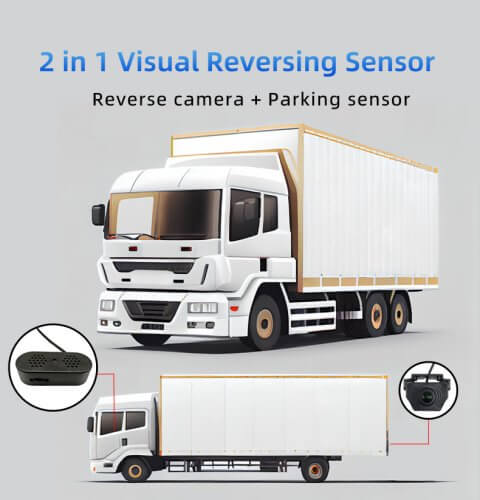
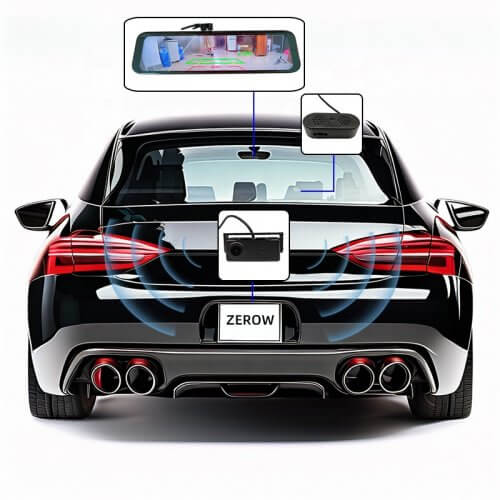
The reversing camera is an excellent safety feature, but not the ultimate solution. That is why most systems are open to integrations. You can add visual radar-based sensors to detect nearby vehicles in these camera systems. Additionally, a buzzer can alarm the driver based on their surroundings.
Looking for more advanced functions? You can add driving assistant systems to your truck reversing camera. Some ADAS that pair well with it include automatic braking, rear-cross traffic alert, and forward collision warning.
5. Manufacturer
Regardless of your requirements, never settle on an unreliable manufacturer. The market is full of cheap and low-quality systems. You can avoid them by choosing a reliable seller with trusted client testimonials and a success rate.
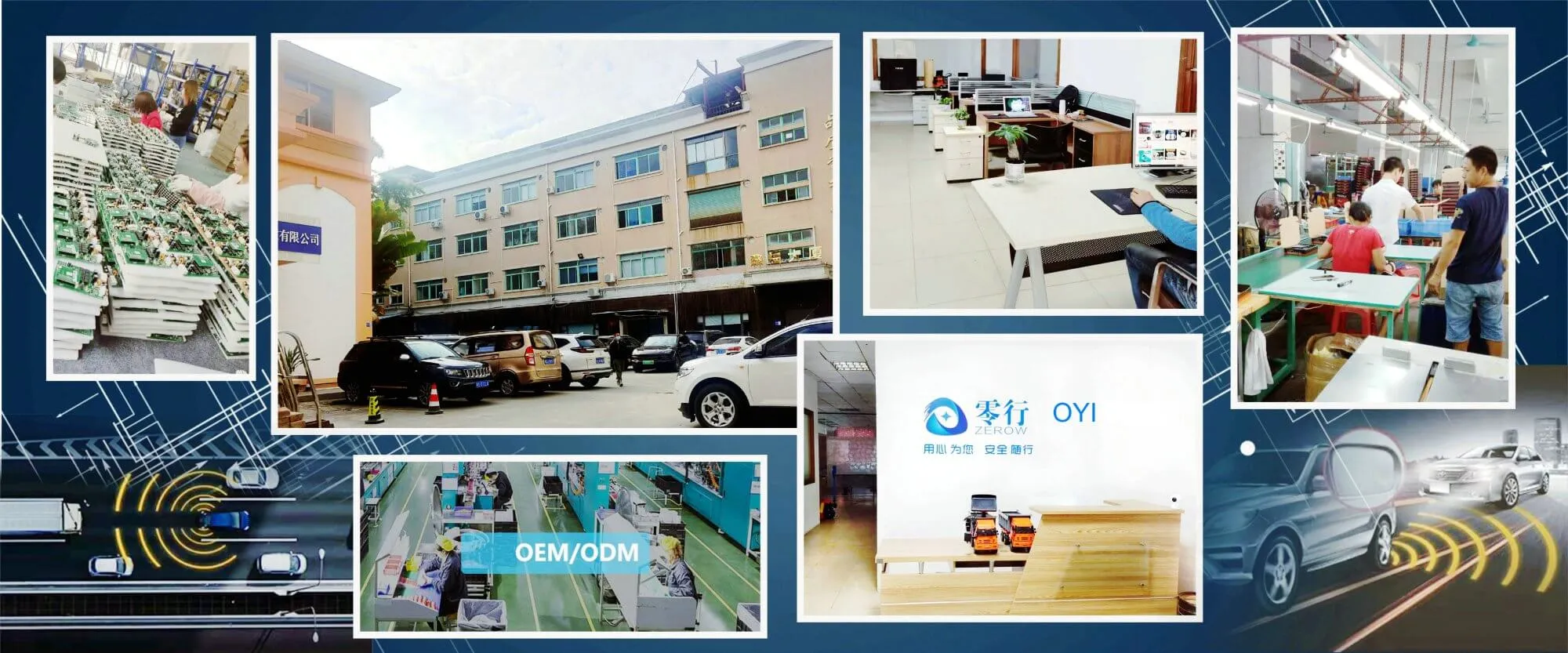
One prime example is OYI Electronic, providing a supportive warranty, after-sales support, installation guidance, factory prices, regular restocking, and customized business packaging for reversing cameras!
Tips to Make the Most Out Of Your Reversing Camera for Truck
Let’s say you have bought a reversing camera for truck. How can you utilize it to a maximum extent? Here’s everything you need to follow:
Adjust Camera Angle
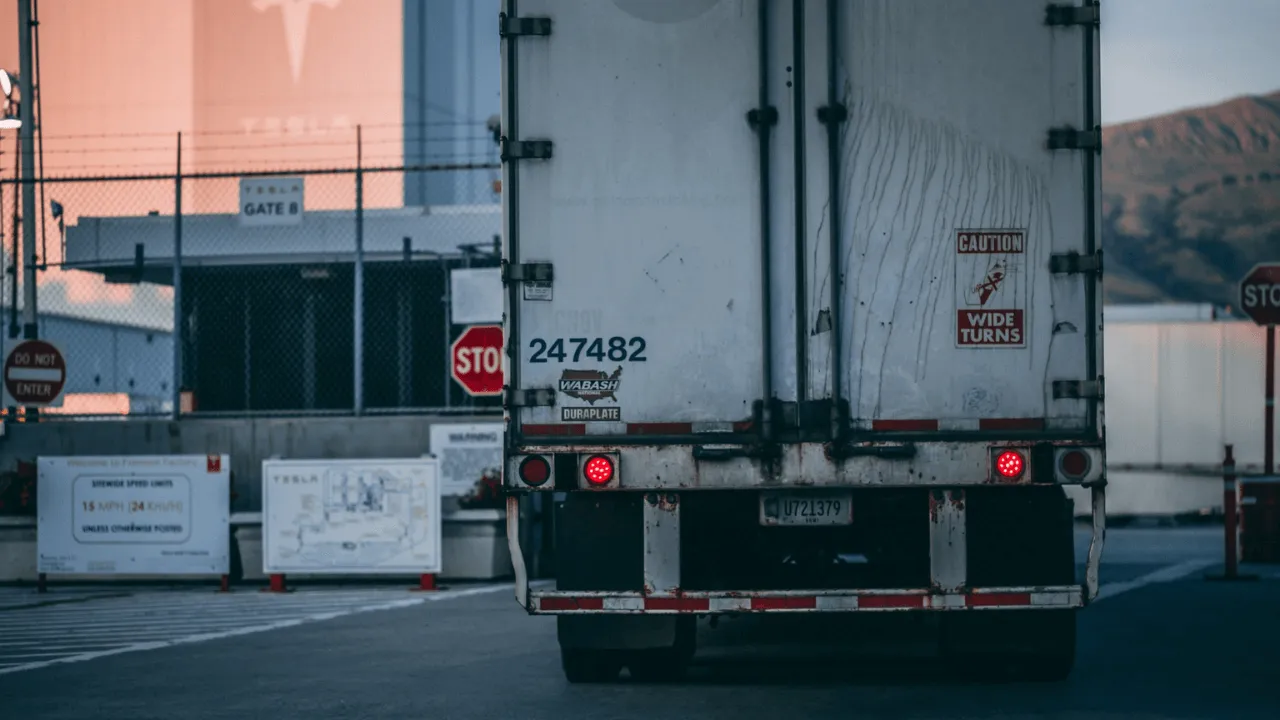
The camera usually mounts on the rear bumper of the truck. However, its exact position can vary. Ideally, you should mount it in a position that it minimizes the rear blind spot. Since the truck is a large vehicle, its rear blind spot is dangerous. You can tone it down by adjusting the camera position and angle.
Combine Cameras with Mirrors
Having a backup camera with monitor doesn’t mean you should rely entirely on it. Instead, make it a habit to double-check your side-view and rear-view mirror before making a move. Any advanced driving assistant device, including the reversing camera, is not meant to replace your safe driving practices. Rather, combine the use of mirrors and cameras for the best outcomes!
Add a Buzzer & Sensor
While it may seem small, a sensor can significantly increase your reversing camera’s effectiveness. How is that? Well, a sensor comes with a buzzer. So, you get both visual and audible cues simultaneously. It is helpful if a moving objects suddenly enter your blind spot. The buzzer will instantly alert you, instructing you to hit the brakes.
Practice the Night Vision
The night vision can be challenging to understand at first. Its colors are different from the ordinary view, which confuses new drivers. So, practice it in your driveway and other non-competitive spaces before heading to a tight parking spot.
Conclusion
Hopefully, now you understand the working mechanism of the reversing camera for truck. It is an excellent safety accessory that every trucker must have, especially new drivers. The best part? You can combine it with other advanced driving assistant systems you prefer. So, you can maximize your safety on the road and in parking spaces.
Wondering where to buy the reversing camera for truck? Look no further than OYI Electronic as they offer high-end systems at affordable prices. What’s more, is that they can provide online installation and maintenance guidance. So, message us now for a free price quote!
Related Products: