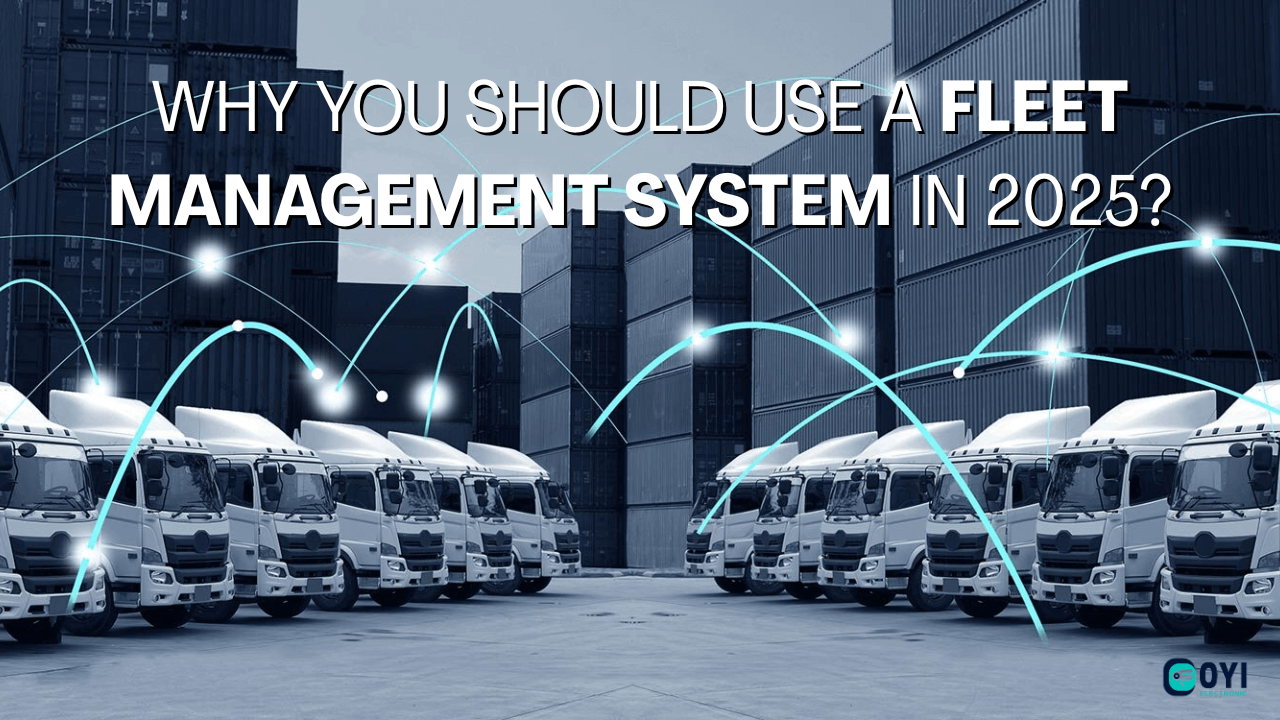
The fleet management industry is expected to reach USD $52.50 billion by 2030. Today, this market uses tons of technological advancements to make their day-to-day operations more efficient. However, one sector that is still lacking is driving. Many large vehicle accidents are reported regularly, which highlights the severity of this problem.
However, you can solve this issue with a fleet management system that increases your vehicle’s safety and maximizes the efficiency of driving-related tasks. Let’s discuss more about this solution in this detailed guide to get a better understanding:
What Causes Fleet Vehicle Accidents?

A fleet management system increases driving safety and prevents accidents. You might be surprised to learn that fatalities due to large vehicle accidents have increased by 40% over the last decade.
And, managing these large vehicles is one of the core functions of a fleet management company. But what causes these accidents? Let’s look at some common reasons:
1. Blind Spots
Blind spots are a prevailing problem in all vehicles, especially in larger ones. Trucks, buses, specialized cars, SUVs, vans, shuttles, forklifts—they all have blind spots. Why are they called “blind spots?” Because these areas are practically out of a driver’s vision, regardless of how well they position their side-view and rear-view mirrors.
A study by the National Highway Traffic Safety Administration found that 800,000 blind spot accidents occur annually in the US. Alarming, right?
Navigating a large vehicle is very challenging with more prominent blind spots. Since you can not fully see your surroundings, you are more prone to making wrong decisions that lead to collisions and severe injuries.
2. Lane Changes
A vehicle’s blind spots become even more dangerous during lane changes. The driver gets an even more limited vision. Plus, a truck’s large body further blocks the view, making lane changes and turns all the more threatening.
Over 530,000 lane change crashes occur every year, which accounts for 10% of all annual road accidents. A vehicle is in a vulnerable condition during lane changes and turns. One wrong move and a devastating crash is imminent.
3. Driver Distraction
Drivers work long hours for fleet companies. That is why distraction is a common reason for large vehicle accidents. Truck drivers often feel drowsy due to their long working shifts. This simple mistake can divert their attention from the road, leading to a crash.
A study in 2023 found that distracted driving led to 3,275 fatalities and even higher injuries. However, some fleet companies have taken action to prevent these accidents. They use supervision and tracking tools to monitor their drivers. However, these steps might not be very effective in stopping accidents entirely.
4. Extreme Weather Conditions
Lastly, weather conditions are also responsible for causing crashes. A detailed report by the National Safety Council found over 75,000 accidents. 46% of these crashes occurred during rainfall.
Yes, wet roads are dangerous, but they are only one of the many problems. For instance, rain and snow can also affect side-view and rear-view mirrors, blocking the driver’s view. Multiple factors can accumulate in extreme weather conditions that can lead to devastating crashes.
Why Do You Need a Fleet Management System?
A fleet management system can help prevent the common reasons behind accidents. Here’s why you need it today more than ever:
1. Rise in Road Accidents
The number of road accidents has only been going up. There are several reasons that explain why, like the surge in traffic and lack of blind spot awareness. However, going into these reasons is almost pointless.
This increase in accidents is a real problem that demands a solution like fleet management systems. These tech-based solutions eliminate the manual error that often leads to road accidents. Instead, they automate tasks and keep drivers updated with their surroundings, so they can make informed decisions and prevent collisions.
2. Increased Blind Spot Vision
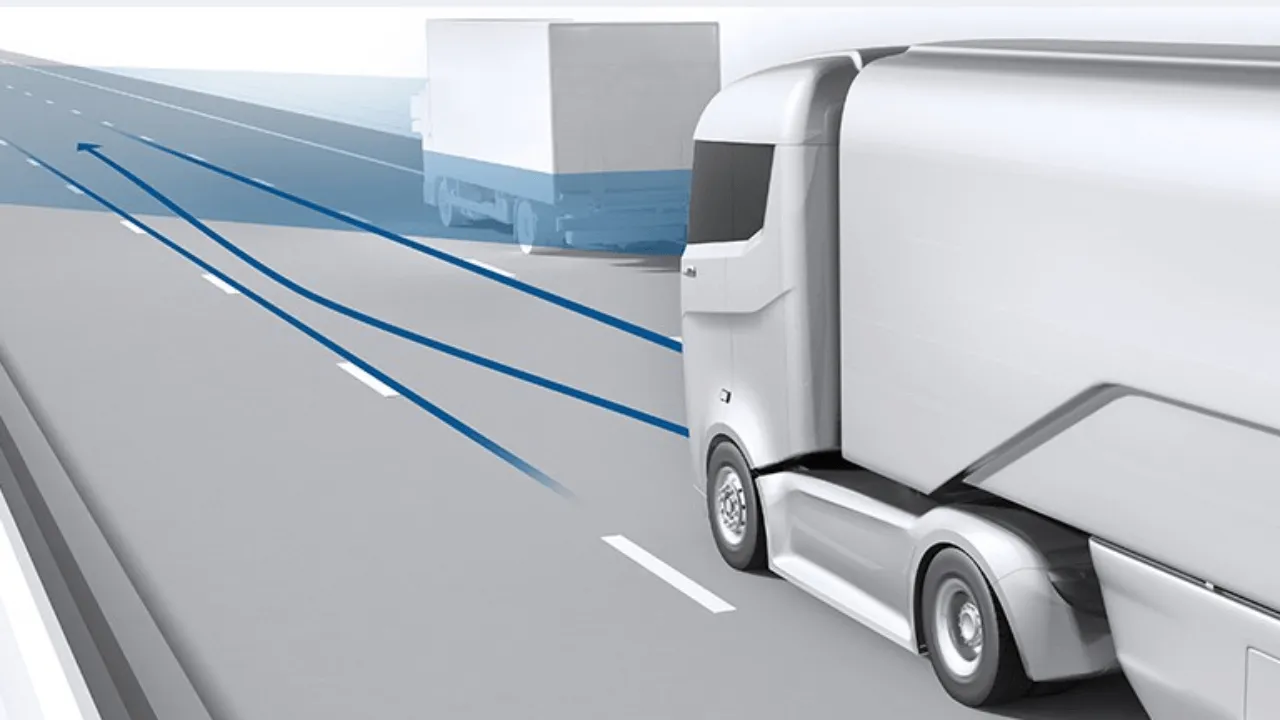
Almost every fleet management product provides a better vision of your vehicle’s blind spots. Whether you use a camera or sensor-based system, you can always rely on them to get better awareness than traditional mirrors.
A better awareness of your blind spots is necessary to prevent accidents. That’s because the majority of severe injuries occur due to these crashes. Plus, blind spots in large vehicles are more dangerous than cars. Therefore, a solution to this problem is a MUST-have.
3. Customization Opportunities
Fleet management systems allow customization according to your specific business’s requirements. You can add more functions like GPS navigation and a microphone to advanced driving assistant systems.
These add-ons solve your company’s specific problems and add another layer of functionality to the system. Moreover, OYI Electronic can also provide personalized packaging to suit your business’s branding and identity.
4. Open to Integration
Most fleet management systems allow integration with other safety features. For instance, you can integrate a driver monitoring system with your blind spot monitor. This way, you can solve two problems (blind spots and driver distraction) with one solution.
Similarly, you can integrate your ADAS with the central information system. So, you can track all the essential driving-related data from a single fleet management system dashboard.
5. Effective in All Weather Conditions
Luckily, almost all fleet management systems work effectively in all weather conditions. Let’s take the blind spot monitor, for example. It uses radar sensors, which are waterproof and resistant to extreme weather. Therefore, you get accurate alerts even in rainstorms, snow, sleet, etc.
Similarly, many cameras are also resistant to weather and outdoor elements. They use anti-thermal technology to keep the lenses clean and dry. So, you can use a fleet management system to avoid disruptions caused by weather conditions.
6. Better Accountability
Fleet management systems can help monitor your drivers. For large companies, this feature is nothing less than a blessing as they have to manually supervise hundreds of vehicles.
You can use monitoring systems, GPS trackers, telematics, and other systems to supervise each driver. It allows you to create better accountability in the company, which leads to higher operational efficiency.
Which Fleet Management System Should You Buy?
Generally, there’s no single right answer as to which fleet management system you should buy. It depends on your budget, preferences, and requirements. Each solution offers something unique and solves a specific problem. So, let’s look at some common options, for example:
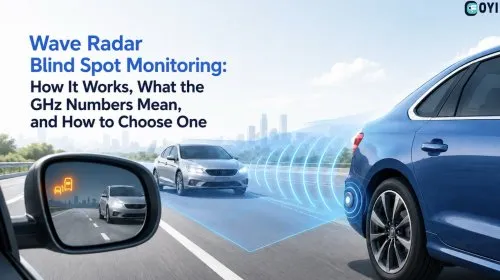
- Blind Spot Monitor (BSM): As the name suggests, it uses sensors to monitor a vehicle’s blind spots. The system can use up to four sensors (radar or ultrasonic) to detect an object, a pedestrian, or a vehicle lurking in your blind spots. If it does, it triggers an alert to notify the driver. So, the driver can take control of the situation and prevent a collision.
Blind spot monitoring systems use weather-resistant and waterproof sensors, which are effective in all weather conditions and against all outdoor elements, including dirt and debris. - Camera-based Systems: A camera-based solution can be of two types: a dash cam and a surveillance system. Let’s look at the dash cam first. It is a simple driving assistant tool that uses a camera lens to record the journey in a storage unit like an SD card. It is good for documenting fleet journeys for better supervision and improved accountability.
Alternatively, a surveillance solution such as a 4-channel camera system provides real-time vision of your blind spots. It mounts lenses at strategic locations to avoid blind spot accidents. Typically, it uses a screen that allows you to view your surroundings in real time. - Lane Change Assist (LCA): An LCA uses sensors to read road markings and prevent lane change accidents. It keeps you centered on your lane and avoids unnecessary drifts. The system triggers alerts if a vehicle enters your blind spot while you are changing lanes. This way, you can avoid such accidents and drive more safely.
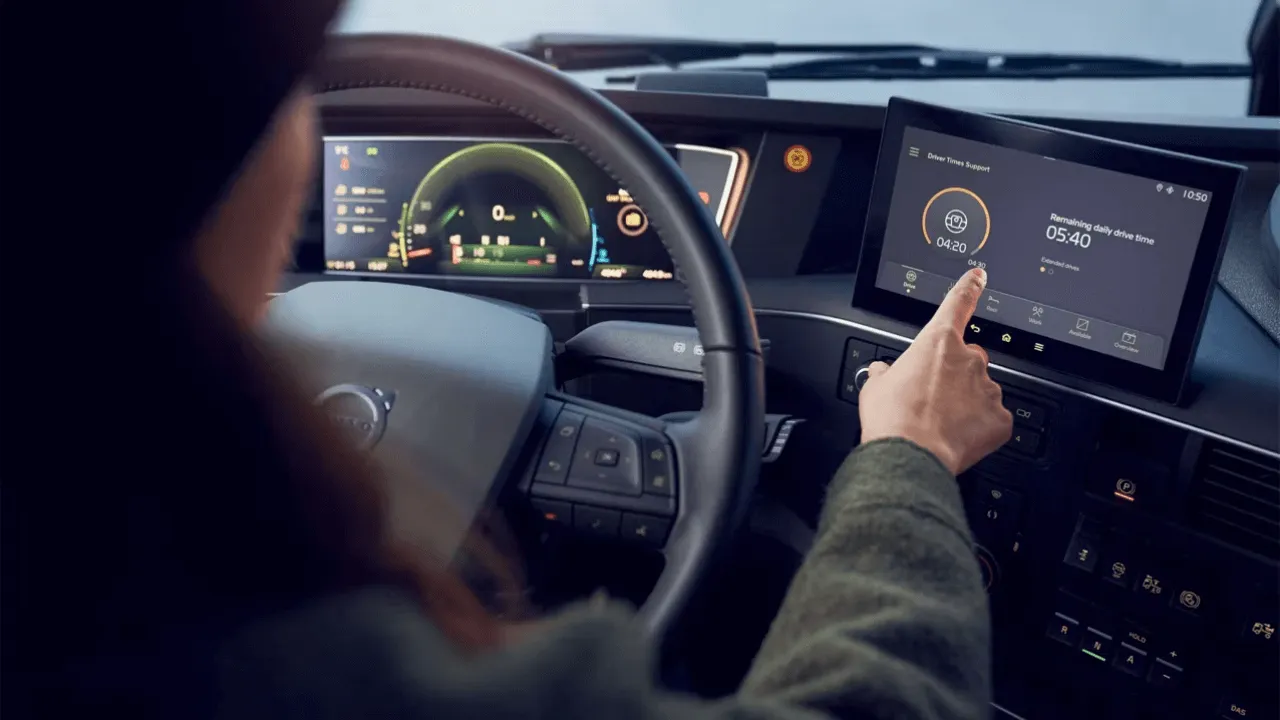
- Driver Monitoring System (DMS): A DMS uses cameras and sensors to monitor the driver’s behavior and driving habits. It uses intelligent algorithms to create patterns based on the driver’s gestures, eye movements, etc.
The main purpose of DMS is to prevent driver distraction. It triggers alerts if it detects that a driver is not paying attention on the road. So, they can get active again and take control of the vehicle. It is highly recommended to be attentive during the drive regardless of the system installed.
Conclusion
Now, you know the importance of a fleet management system. Remember, it is a MUST-have solution, especially in today’s traffic, where large vehicle accidents have become increasingly common. Based on your budget, requirements, and specific problem, you can decide which fleet management solution works best for you.
Luckily, you don’t have to look where to buy the right fleet management product. OYI Electronic offers durable, well-tested, and affordable solutions with supportive warranties and timely delivery with regular restocks.
Plus, we also provide after-sales support and online guidance for your convenience. Read the product manuals, check the specifications, and check the application videos. Or, you could also order a custom request by contacting us.
Contact us today and get a free price quote!