Fleet vehicles are vulnerable to road accidents due to their large size and blind spots. What’s worse, fleet crashes can lead to insurance hikes, injuries, lawsuits, and reduced operational efficiency. It is one of those industries where a small disruption can cost a fortune. Luckily, you can avoid these problems and maximize operational efficiency with a fleet management solution.
What is it, and how does it help fleet managers? Well, there’s no need to worry. This guide will provide all the information you need about the fleet management driving solution. We will cover the best options currently in the market, making it easy for you to choose one. So, without further ado, let’s dig in!
What’s the Best Fleet Management Solution?
You have a market full of various fleet management solutions. Each system brings something unique to the table, solving a particular problem.
The best part? Most of these solutions pair well with others. Hence, you can create a combination of systems to maximize your safety and efficiency. Let’s look at some of the best options:
1. Dash Cam
Dash cameras are the most evergreen fleet management solutions. They have a simple framework, recording the journey. The recorded footage provides better transparency for fleet managers.
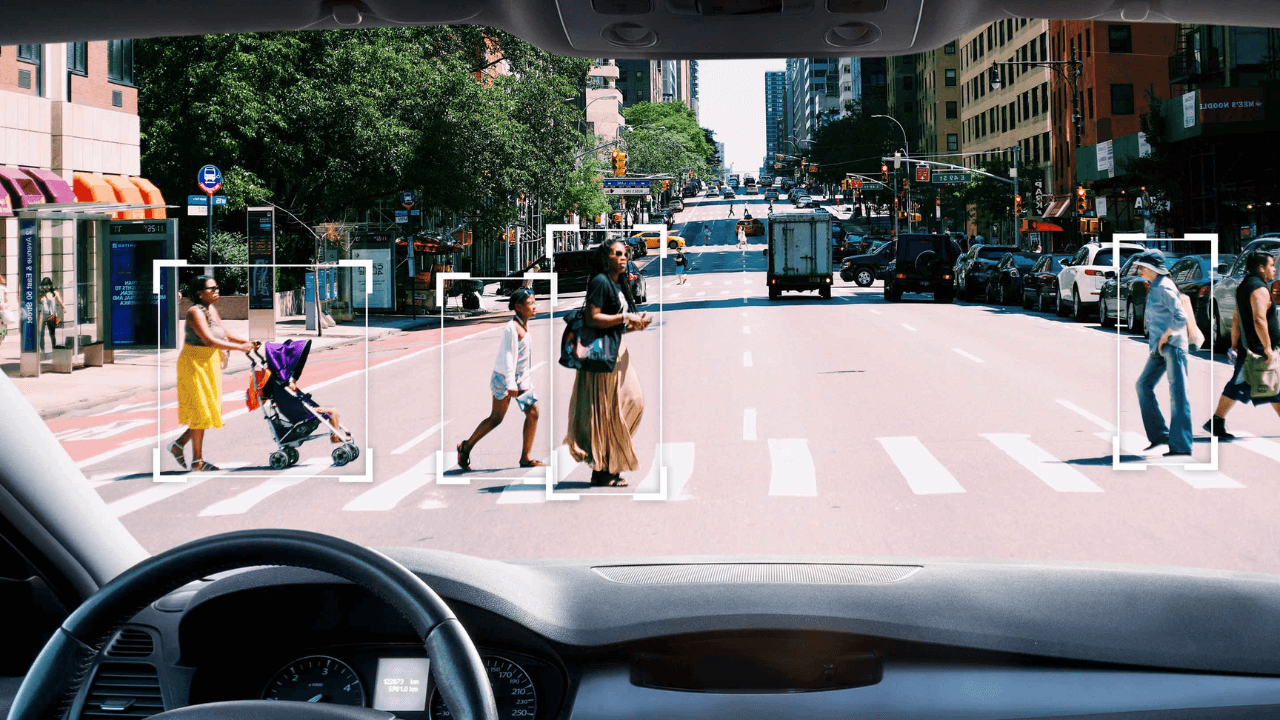
Fortunately, dash cams have stood the test of time. Modern models offer even better benefits thanks to their AI integration. They have AI-based event detection, like tailgating, to prevent accidents.
Dash cams are the go-to systems for fleet managers. Most companies use them for training and performance reviews. Modern systems have cloud storage, allowing fleet managers to integrate real-time data with their business software. So, no more losing your previous videos that can help in your claims.
2. Blind Spot Detection
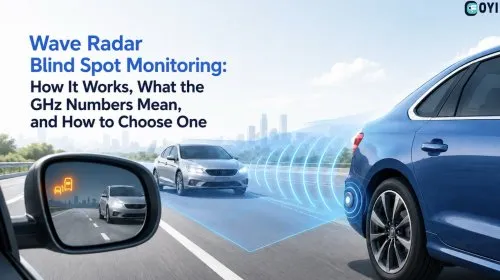
A blind spot detection system is ideal for large fleet vehicles but also excellent for cars. Remember, large vehicles have massive blind spots, which lead to devastating accidents and severe injuries. These areas are practically invisible to the driver, affecting their decision-making. BSD systems use up to four sensors to cover all four blind spots (front, rear, left, and right).
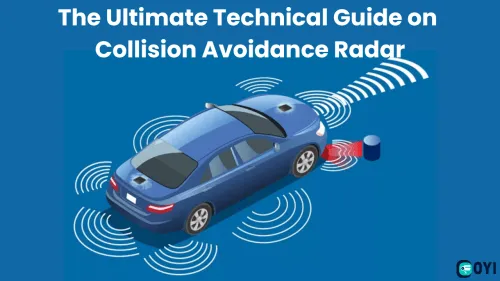
The best part? BSD systems are usually automated, requiring zero driving input. They use radar or ultrasonic waves to detect a vehicle in the fleet vehicle’s blind spots. Then, the waves bounce back to the systems to trigger an alert. The driver gets these alerts via audio warnings or visual flashing lights.
Blind spot detection systems work effectively to prevent fleet accidents, ensuring zero delays and increased efficiency.
3. Lane Keep Assist
Lane keep assist is one of the most popular driving assistant systems. It uses a sensor or camera that reads the road markings. The system ensures your vehicle doesn’t drift away unintentionally from the lane.
Lane change accidents make up 10% of the total road crashes. A vehicle is in its most critical state when changing lanes. Also, the blind spots are more prominent during this situation. A LKA system assists you in changing lanes more safely by monitoring the nearby traffic. It triggers alerts if the scenario is critical, so you can maintain your current lane and avoid a change.
4. Multi-Camera System
A dash cam is good, but it can be improved. That’s where a multi-camera system comes in. It increases the number of lenses to four to cover all blind spots. Additionally, it provides a real-time display from all four cameras. The driver can monitor the output feed on a display screen, usually mounted on the dashboard.
The best part? These cameras provide a high-resolution display so the driver can monitor even the most minute details. They also offer some passive functions like night vision and auto-brightness adjustment. This way, the system can continue working in all lighting conditions.
5. Driver Monitoring System
A driver monitoring system (DMS) has become an increasingly common solution in fleet management. Instead of monitoring the road, the system monitors the driver. It ensures the driver remains attentive on the road.
The DMS uses in-cab cameras to record a driver’s condition. It prevents common driving problems like distraction or phone use. Driver monitoring systems are also effective against driving fatigue, which is common in the industry due to long working hours.
Modern driver monitoring systems use sensors to detect a driver’s eye movements and gestures to create a behavioral pattern. So, it can indicate whether the driver is in good health or not.
Driver monitoring systems are often integrated with other solutions, like telematics, GPS navigation, automated braking, adaptive cruise control, etc.
Honourable Mentions
There are some other options that might not be the best fleet management solution, but they can integrate with other systems to complement them. Let’s look at them to get a clearer picture:
- Telematics System: It offers real-time GPS navigation with vehicle diagnostics like fuel usage data. These systems improve route efficiency and optimize fuel consumption. Modern systems also provide detailed engine diagnostics for a better maintenance approach.
- Predictive Maintenance Systems: These systems analyze vehicle usage to identify when maintenance is necessary. They ensure that fleet vehicles maintain their health, avoiding unexpected breakdowns.
- Backup Camera/Sensor: A backup sensor or camera assists fleet drivers with reversing or parking their vehicles. These systems activate when the vehicle is in reverse mode and monitor what’s behind, as rear-end accidents account for about 29% of all crashes.
What Makes a Fleet Management Solution Good?
Fleet management has distinct requirements from traditional drivers when it comes to choosing the right solution. That said, here’s what makes a good fleet management solution:
1. Data Collection
The primary objective of fleet management is to achieve higher efficiency, and that is only possible with valuable data and analytics. Luckily, most fleet-specific solutions provide real-time data that enables managers to make informed decisions and ensure oversight.
2. Safety Requirement
One of the most important considerations for fleet managers is safety. Almost every solution, like blind spot detection, a multi-camera system, and lane change assist, offers increased protection. Alternatively, many others provide indirect safety, like driver monitoring systems.
3. Predictive Alerts
Predictive insights and alerts let you maintain your vehicle’s health. So, you can prevent unexpected downtime, which can cause major business disruptions, costing time and money. Fleet managers can use this predictive data to proactively approach and avoid maintenance problems.
4. Ready to Integrate
Integration is very important for fleet companies. That’s because fleet managers use digital solutions like ERM (Enterprise Risk Management) and CRM (Customer Relationship Management). It is best to find a solution that pairs well with the software. Otherwise, you might miss important data and analytics.
Which Fleet Management Solution Should You Choose?

Feeling overwhelmed with the variety of options? Well, there’s no need to worry. Let us make the process simple for you. Here’s everything you need to keep in mind when choosing the right fleet management solution:
1. Learning Curve
As a fleet manager, you should choose a solution that all your drivers can adopt. Some systems, like a multi-camera system, can be difficult for new drivers. It requires more attention to the screen, causing the driver to always double-check. Alternatively, blind spot detection, dash cams, and lane change assist systems are easy to use. So, choose the right option according to your drivers’ skills and experience.
2. Your Budget
Are you tight on budget? Consider going for a dash cam, backup camera, or a less advanced model of blind spot detection. These systems are considerably less expensive than other modern solutions like AI-powered driver monitoring systems.
Pro-tip: Always cross-check prices from different companies, locally and online, to ensure you get the best deal.
3. Installation Complexity
Installation can be challenging, especially if your drivers lack technical experience. Then, you would have to go for professional installation, which can cost a fortune if you have many vehicles. It is best to choose solutions with a straightforward setup, like blind spot detection and dash cams. This way, your drivers can go for DIY installation, eliminating additional costs.
4. Reputable Manufacturer
Consider buying from a reliable manufacturer like OYI Electronic. Otherwise, you might end up with a cheap solution that is not durable and creates false alarms. The primary purpose of buying these solutions is greater efficiency. Hence, choosing a reputable company can prevent unexpected system breakdowns, which is a huge obstacle to efficient business operations.
Conclusion
Now, you can make an informed decision and buy the best fleet management solution. Remember that each system offers unique benefits and solves a specific problem. Identifying your needs within your budget is the first step. As a fleet manager, you can also conduct surveys to decide which solution works best for your drivers.
Ready to buy your favorite fleet management solution? Look no further than OYI Electronic. We are the one-stop shop for all your driving assistant needs. Our inventory is restocked regularly with durable models for all fleet management solutions. Even better, we offer these systems at factory prices with online installation guidance and after-sales support.
So, contact us now to get a quote in minutes. All we need is what you need as a safety system in your vehicle.