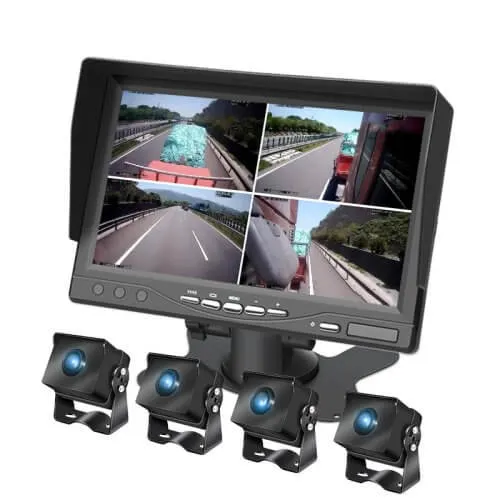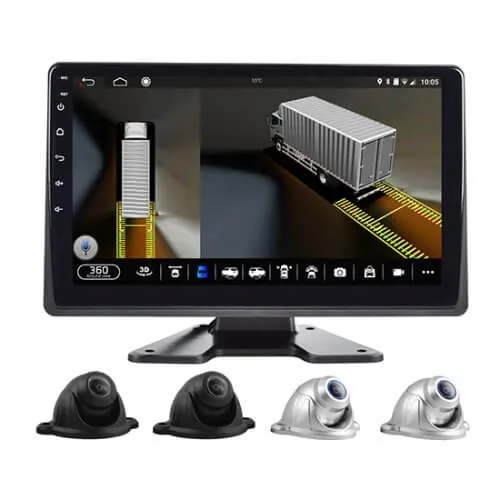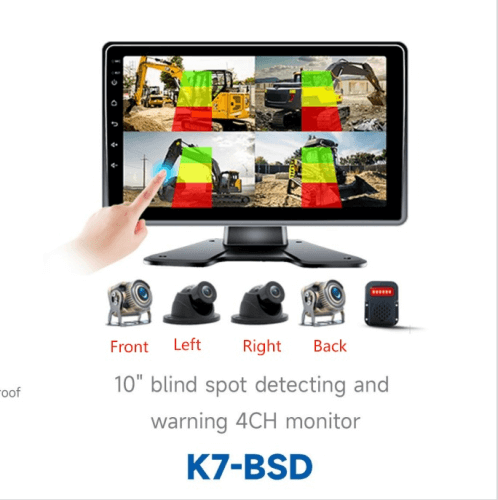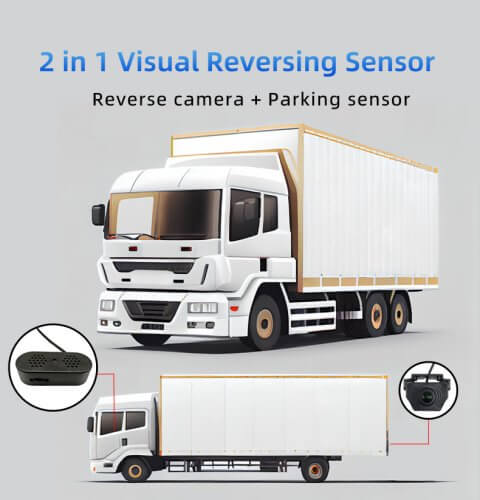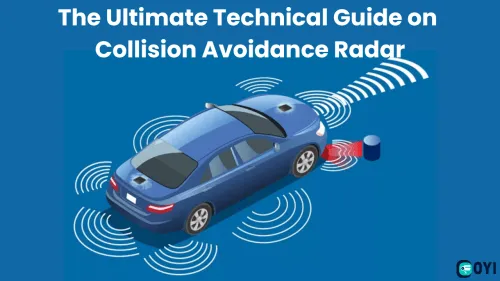

Did you know that over 530,000 lane change crashes occur annually? Side-view and rear-view mirrors can help prevent these accidents, but only to some extent. An emergency vehicle lane change assist is 69% more effective in safely changing lanes than non-equipped vehicles. That is why it has become one of the most prominent driving assistant systems.
However, this popularity surge of lane change assist also comes with a downside. Inexperienced folks might get confused since the market is flooded with various options. But worry not. We will help you pick the best emergency vehicle lane change assist in this buyer’s guide. So, let’s dig in!
The Basics of Lane Change Assist and Its Variations

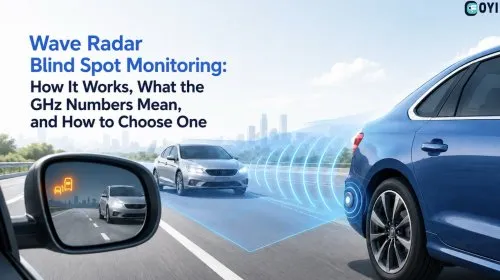
Lane change assist is a well-known advanced driving assistant system. It uses sensors, cameras, or both to ensure the vehicle changes its lanes safely. The system monitors your surroundings, including the blind spots, to avoid lane-change collisions.
Pretty simple, right? But this is where it gets complicated. Several variations of a lane-change assist are available. Let us break down those variations and also explain which one you should choose:
Lane Keep Assist
Commonly called an LKA, it is the most popular variation of a lane-change assist. It uses sensors or cameras with advanced algorithms to detect and read road markings. The system ensures your vehicle stays in its designated lane. It prevents your vehicle from steering away unnecessarily to adjacent lanes without turn signals.
Modern lane keep assist systems use Adaptive Cruise Control (ACC) to steer the vehicle automatically back to its lane. It varies drastically from an emergency lane-change assist system because it doesn’t use sensors/cameras to monitor the vehicle’s blind spots. Also, its entire purpose is to keep the vehicle in its current lane and prevent sudden lane changes. In contrast, the LCA is designed to maximize a vehicle’s safety during lane changes and turns.
Lane Departure Warning
Another common variation is the lane departure warning (LDW). This system works pretty much like a lane keep assist. It uses cameras and sensors to monitor your vehicle’s movement and road markings. An LDW triggers an alert if the vehicle unintentionally drifts from its designated lane.
But the prime difference with LDW is its lack of automation features. It doesn’t employ functions like automated braking and adaptive cruise control. Instead, it only triggers the alert to notify the driver.
What’s the Best Solution to Avoid Lane Change Accidents?
The entire debate of lane change Assist vs lane keep assist is quite flawed. Each system brings something unique to the table and solves a specific problem. Here’s how you can determine the right solution for you:
- Your Vehicle: Large, commercial trucks and specialized vehicles pair best with an emergency vehicle lane change assist, while lane departure and keep assist systems are suitable for cars and SUVs.
- Your Requirements: Are you inept at making critical lane changes or do you usually drift into adjacent lanes without warnings? Ask these questions to identify your problem area and choose the solution that solves this specific problem.
- Your Budget: An LDW is comparatively cheaper as it doesn’t offer any automated features. Modern lane-change assist systems can also be budget-friendly due to their increased accessibility. Lane-keep assist models with advanced features like adaptive cruise control are comparatively more expensive.
How to Buy the Right Emergency Vehicle Lane Change Assist?
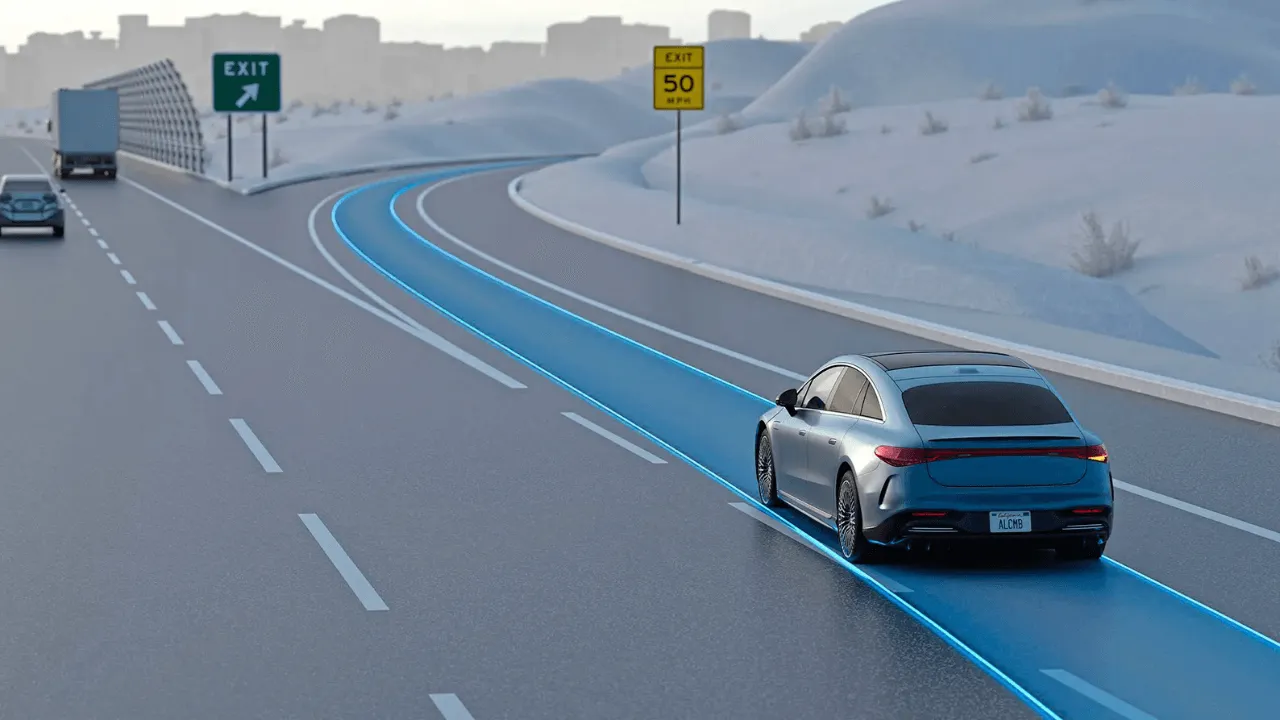
Variations aren’t the only thing you have to look out for. The lane change assist cars and trucks come in different types and specifications. So, how to buy the right one? Here are some important factors to consider:
1. Sensor Accuracy
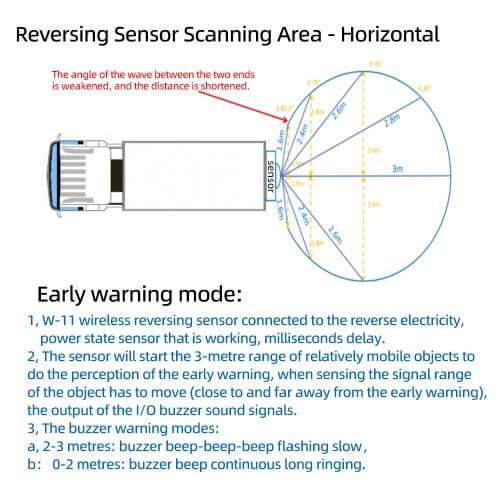
Most lane-change assist systems rely on radar or ultrasonic sensors to detect oncoming vehicles. But what if the sensors aren’t really accurate? Then, you end up getting false alarms or no alerts even when vehicles are lurking in your blind spots. That is why it is essential to buy an LCA with higher accuracy.
How do you measure accuracy in a sensor? Well, you can read a sensor’s accuracy in its product specifications. The optimal accuracy is between +0.2m to ±0.3 m for detecting multiple vehicles in medium to long range.
2. Detection Range
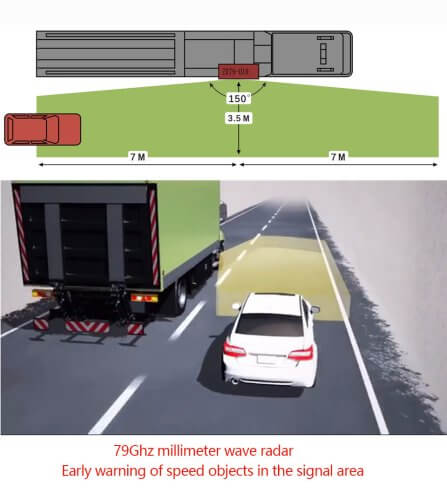
While the intensity and range can differ, every vehicle has blind spots. Your safest bet should be sensors with a detection range of 10-30 meters. So, they can cover your car’s side and rear blind spots. Consider choosing an area coverage for 30-50 meters if you want the LCA for your truck.
3. Operational Difficulty
Do you have minimal to no technical experience? Consider going for an easy-to-use lane change assist. Find a system that automates tasks from activation to alerts. Otherwise, manual operations can be daunting, especially during critical driving situations.
4. Installation & Maintenance Procedure
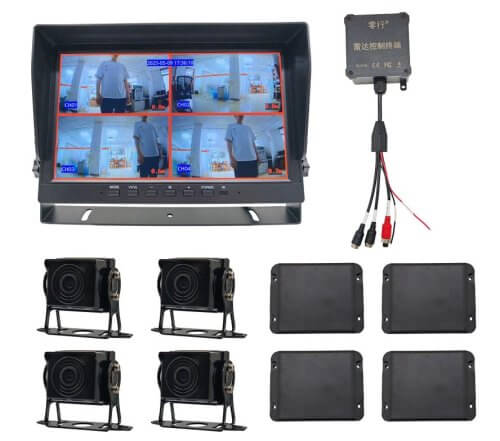
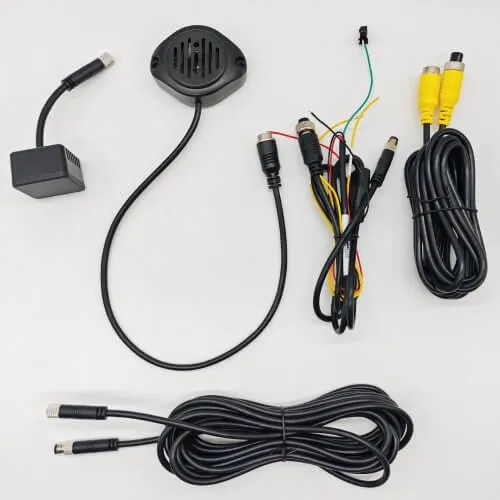
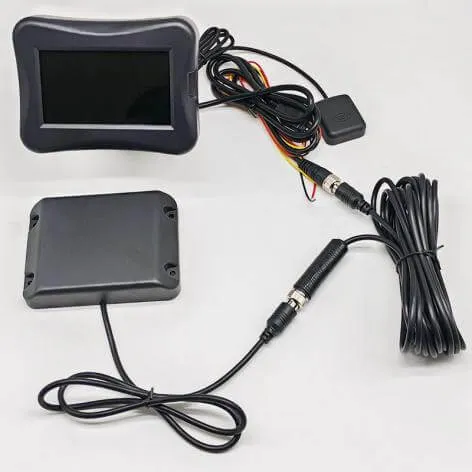
Usually, installing an LCA is quite easy. Set up the sensors on the rear and sides of your vehicle. Next, connect the alert mechanism to the sensors and the power source. However, complications start when connecting these components because of multiple cables. In contrast, modern wireless models are comparatively easier to install.
Maintenance isn’t a frequent requirement for a lane-change assist. The sensors are usually weather-proof, resisting extreme weather conditions and outdoor elements like dirt and debris. Thus, you only need to clean the sensors every once in a while to maintain their accuracy.
5. Alert Mechanism
Do you prefer audible alerts over visual flashing cues? Fortunately, you can customize most LCA models and change the alert mechanism to your preference. You can choose LED lights, buzzers, or a combination of both. Ultimately, it comes down to your choice!
6. Additional Features
Extra features can be very helpful in an LCA system. They can add more functionalities, like automated braking, GPS navigation, forward collision warning, rear-traffic alerts, and adaptive cruise control. But remember, these add-ons can cost more and require more maintenance.
7. Reliable Manufacturer
Last but not least, buying from a reputable manufacturer is highly recommended. It is better to avoid cheaper models in the long run. They are less durable, generate false alarms, and aren’t reliable.
Don’t know which manufacturer to choose? OYI Electronic has you covered. Whether you need a readily available model or a customizable LCA system, we guarantee a 98% success rate, online guidance, and factory prices.
Which Vehicles Can Use the Emergency Vehicle Lane Change Assist?
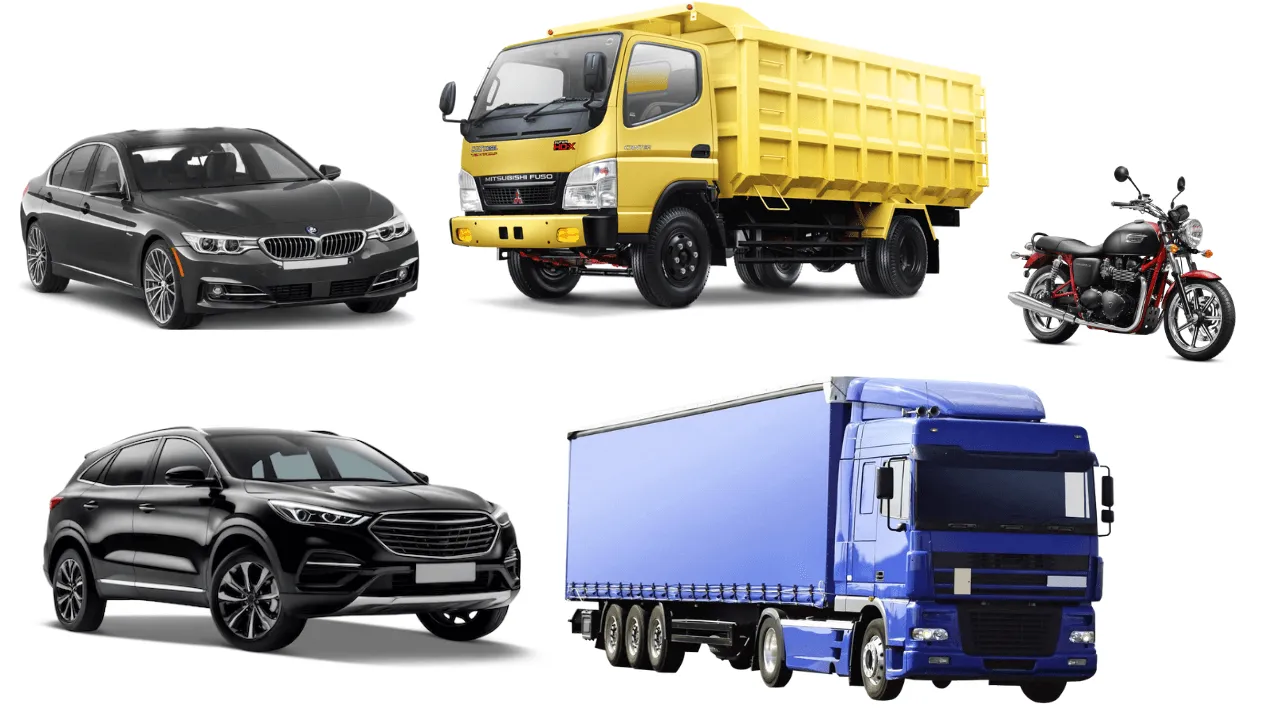
Now that you know the benefits and buying considerations of an emergency vehicle lane change assist, let’s talk about its applications. The following vehicles are compatible with an LCA system:
Cars & SUVs
Regular cars and SUVs can be equipped with a vehicle lane change assist. In fact, most modern cars come with LCA. Some prime examples are lane change assist Toyota, Kia, Lexus BMW, and Mercedes.
Whether you are a regular or professional driver, LCA can offer many benefits. It can get you exclusive insurance deals and incentives. Additionally, professional cars can comply with their company’s safety standards using driving assistant systems like an LCA.
Trucks
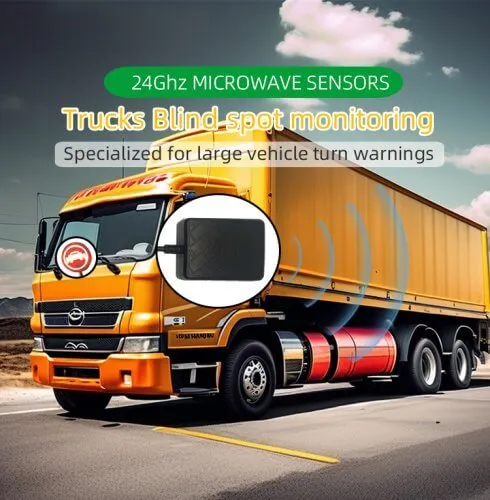
Trucks pair well with a lane change assist system. Using the LCA with a truck offers many benefits. For instance, you can eliminate the large blind spots, save a fortune on repairs, and drive more confidently on highways. The best part? LCA comes in a universal model that can be installed on almost all commercial, pickup, and semi-trucks.
Specialized Vehicles
Most specialized vehicles are large, having deadly blind spots on the sides and the rear. LCA is an excellent choice to eliminate these blind spots. It works well with construction vehicles, engineering cars, dump trucks, etc. Since they are large, heavy, and difficult to control, they are not only a threat to themselves, but also to others on the road. That is why using an LCA is highly recommended, especially considering the increased modern traffic.
Motorcycles
Many modern lane assist systems are compatible with motorcycles. However, they are not as common as they are for cars, trucks, and other vehicles. Another thing to consider is that motorcycles are not quite compatible with automation. So, the LCA models for bikes only offer simple features like blind spot detection and user alerts for safe lane changing.
Conclusion
Hopefully, now you can buy the right emergency vehicle lane change assist. Start by reviewing your requirements, your vehicle’s compatibility, and your budget. Then, shortlist the options that checkmark all these factors. You can also consult a professional or manufacturer to get the right idea.
Remember, choosing the right lane change assist is equally important. Need a reliable manufacturer? Look no further than OYI Electronic. We will provide after-sales support, customized packaging, and a supportive warranty with your lane change assist purchase. That too, at a very affordable price. So, what are you waiting for? Contact us today and get a free price quote
Related Products: