
Today, cars can alert drivers when they drift out of lanes, become un-attentive on the road, or are unaware of their blind spots. How does that happen? Well, those are driver assistance systems in action. These features have become quite common in today’s vehicles—helping drivers stay safe, more alert, and even more confident behind the wheel.
However, not all these driver assistance systems are advanced and automated. So, let’s look at this spectrum of basic and advanced driving assistance tools, so you can decide which is the best option for you.
Basic Driver Assistance Systems

Let’s look at some old-school and traditional driver assistance systems. These driving assistance solutions might not have automation and advanced features. However, their simplified working mechanism and affordable pricing make them beginner-friendly tools.
1. Blind Spot Mirror
A blind spot mirror is a specialized side-view mirror that provides detailed vision of your vehicle’s surroundings. It comes in these two types:
- Convex blind spot mirrors
- Concave blind spot mirrors
The primary goal of these specialized mirrors is to offer a better vision of the blind spots. These areas are usually impossible to see with traditional mirrors. Thus, these blind spot mirrors provide a broader view, allowing you to see more of your surroundings.
2. Dash Camera
Dash cameras have been around since the 1990s. They are some of the most widely used driving assistance systems—primarily due to their affordable prices. In the US, older dash cam models are 60% cheaper than their original prices. The reason? Increased popularity and demand.
Dash cameras have a very straightforward working mechanism. The camera is mounted on the opposite end of the rear-view mirror. It records footage of your journey and saves it on a storage unit (SD cards, cloud, or internal memory). Then, the driver can view these recordings anytime.
The most popular use of dash cams is in professional sectors, such as fleet management, to document a driver’s journey for more transparency and accountability.
3. Backup Camera
A backup camera helps drivers with parking or reversing their vehicles. It activates automatically when it detects a vehicle in reverse. Then, it provides a real-time vision of the vehicle’s immediate rear blind spot, so drivers can safely navigate the inverted steering without collisions.
Backup cameras are connected to a screen, where the driver can monitor their rear blind spot in real-time. Some newer models of backup cameras also provide guidelines on the screen—allowing drivers to safely reverse their vehicles.
Intermediate-Level Driver Assistance Systems

Some of the best driving assistance systems are at the intermediate level. This is the perfect balance of effective features with just enough automation that drivers still have control over their vehicles. Let’s look at some good examples:
1. Blind Spot Monitoring System
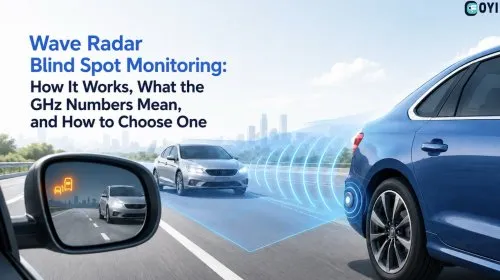
Blind spot monitors, or BSM, are one of the most effective tools to tackle your no-zones. These systems use waterproof and weather-resistant sensors to monitor your surroundings. The best part? They are connected to an alert mechanism, such as a buzzer or LED lights. So, they can easily notify drivers if another vehicle enters their blind spots.
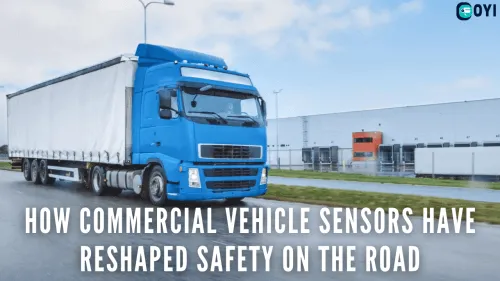
A BSM is an excellent tool for new, intermediate, and experienced drivers. It provides real-time alerts of your blind spots, so you can always have the information to make smart decisions. You can easily find BSM systems with up to four sensors to cover all blind spots of your car, truck, van, bus, etc. It is also one of the few driver assist warning systems that work ideally for both regular and professional drivers.
2. Lane Keeping Assist
A lane keeping assist (LKA) is an upgrade to traditional lane departure warning systems (LDW). The LDW only provides alerts if your vehicle unintentionally drifts away from its designated lanes. However, an LKA can be more effective in tackling your vehicle’s blind spots. Here’s how.
It uses sensors that monitor the oncoming vehicles in your surroundings, including the blind spots. Let’s say you are about to make a lane change. The system automatically activates and starts monitoring the area. Therefore, you safely change lanes without any risk of collisions.
A vehicle is very vulnerable to accidents during lane changes and turns. In fact, a study found that approximately 530,000 lane change crashes occur annually, and many of them are fatal. That is why an LKA is an excellent addition, especially for large vehicles.
3. Multi-Camera System
The dash camera is good, but it has some limitations. For instance, it uses only a single lens, and you cannot see a real-time preview from the camera. A multi-cam system upgrades these flaws.
It has up to four lenses that are mounted on all blind spots of a vehicle. All the camera lenses are connected to a display screen, which sits on the vehicle’s dashboard. So, the driver can easily monitor the output from the cameras and make informed decisions.
These camera lenses provide wide-angle views of their sides. In short, they can cover entire blind spots if you adjust their angle optimally.
4. Proximity Detection Systems
A proximity detection system (PDS) is one of the most popular driver assistance systems for professional and specialized large vehicles. It uses multiple sensors to cover all four blind spots. Furthermore, it works pretty much like a blind spot detection system, with only a few differences.
It is used in work zones like construction and mining sites. This system monitors the nearby objects and manual workers—notifying the driver about nearby threats. Overall, it creates a safer working environment.
5. Driver Monitoring System
A driver monitoring system, or DMS, is an effective tool to supervise drivers. It is ideal for fleet managers to track hundreds of their drivers.
A DMS uses a combination of sensors and cameras. The camera lens provides a real-time display of the driver’s cabin to the fleet manager, empowering them for remote management.
Additionally, the sensors track the driver’s behavior by monitoring their eye movements and gestures. The systems can trigger alerts if the driver is distracted, bringing their attention back to the road. These features save drivers from distraction-related accidents, which are becoming increasingly common due to smartphones.
Advanced Driver Assistance Systems
Advanced driver assistance systems have completely changed the game. They provide heavy automation, limiting the manual input from drivers. However, they are also significantly more expensive than intermediate and basic driving assistance tools. Let’s look at some examples of ADAS for a clearer picture:
1. Automated Emergency Braking (AEB)
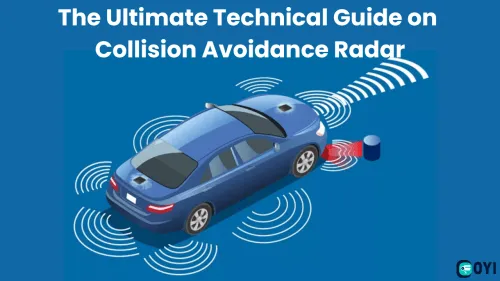
Automated emergency braking is an advanced feature to prevent accidents or, at the very least, reduce the severity of a collision. It uses forward-facing radar or ultrasonic sensors to monitor the road ahead. The system also uses smart built-in algorithms to detect a potential collision.
It calculates the speed and distance of a vehicle to measure the likelihood of an accident. If a collision is imminent, it automatically triggers the brakes—thereby stopping the vehicle. This last-minute brake can save a speeding vehicle from a collision or minimize the impact of the crash to ensure minimal injuries.
2. Adaptive Cruise Control
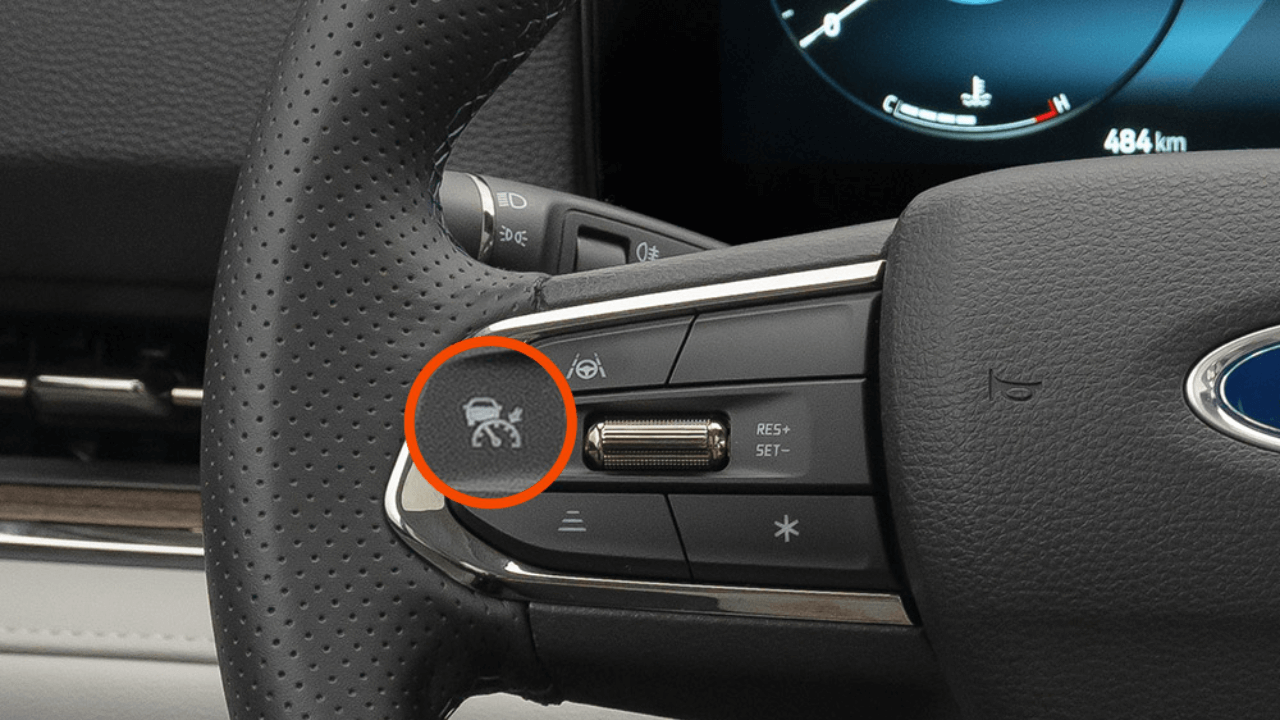
An adaptive cruise control (ACC) is one of the most common safety features in modern driver-assist cars. It controls your vehicle’s speed to prevent accidents with oncoming traffic.
An ACC uses sensors to monitor the traffic ahead. It slows down if your vehicle is going too fast to risk a potential collision. Moreover, ACC can even apply the brakes if the situation gets too critical. But that’s not all. Modern ACC systems can automatically bring your car to its original speed once the lane clears.
3. Self Parking Systems
Self-parking is another common safety feature in modern cars. It prevents drivers from rear-end collisions using modern sensors and cameras.
A self-parking system detects nearby parked vehicles and stationary objects, automatically steering your car into the parking spot. Some older models might require the driver to control the brake and accelerator, while the system handles the steering. However, newer systems even take this control over vehicles and handle everything with automation.
In fact, the future trends show a significant rise in remote parking systems. They can easily park or unpark a vehicle while the driver stays outside the car.
Conclusion
Driver assistance has seen an impressive evolution from basic backup cameras and blind spot mirrors to automated emergency braking and adaptive cruise control. Their key features might differ drastically, but one thing is common among all systems: they all maximize driver safety. So, which driver assist warning system should you buy? Review your needs, driving habits, budget, and vehicle type, so you can easily find the solution that fits you.
But where to buy the system from? Look no further than OYI Electronic. We provide high-end driver assistance systems with a 98% success rate. Plus, all our products are available at factory prices with regular restocking. Plus, get advanced installation manuals to help you DIY install your driver assistance system.
So, contact us today to get a free price quote for your required safety system in minutes.